Why Major Sporting Events Like the World Cup Can Fuel Domestic Violence
Research links major soccer tournaments to spikes in domestic abuse. Experts explain the social and psychological factors behind the troubling pattern.
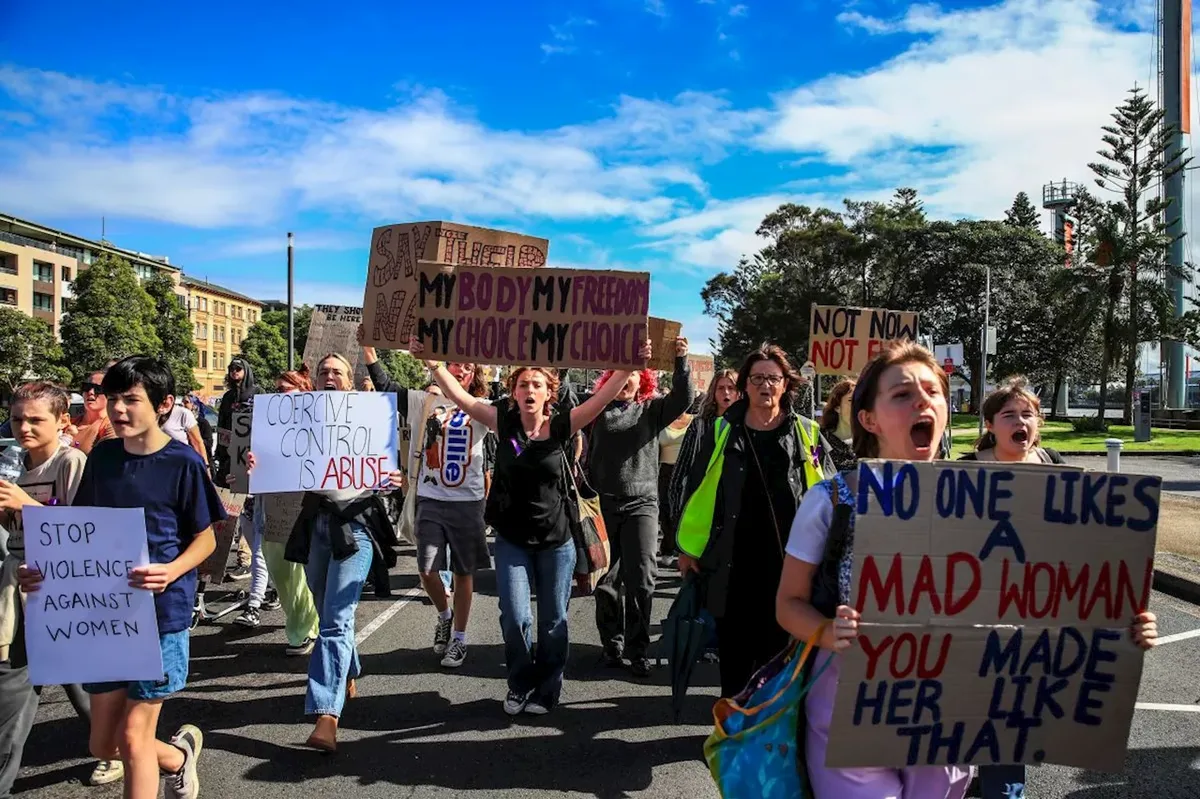
Every four years, the FIFA World Cup draws billions of viewers into a shared global experience of national pride, collective tension, and emotional extremes. But beneath the spectacle, a documented and deeply troubling pattern emerges: in several countries, reports of domestic violence rise during tournament play, particularly following home-team losses or high-stakes matches.
Researchers and public health advocates have long studied the intersection of sports fandom and intimate partner violence. The leading explanations center on a confluence of factors — heavy alcohol consumption during match viewing, the intense emotional volatility that accompanies high-stakes competition, and the ways in which masculine identity can become dangerously entangled with team performance. When a favored side loses, that psychological investment can curdle into frustration and aggression directed at those closest to the perpetrator.
Read more Data Centers Drive Record Spending in One Senate Midterm Race →
It would be an oversimplification, however, to treat the World Cup as a root cause of domestic abuse. The tournament functions more as an amplifier of pre-existing conditions — households already marked by controlling behavior, substance misuse, or chronic tension face an elevated flashpoint. Law enforcement agencies and advocacy organizations in countries with large soccer followings have, in recent cycles, proactively increased staffing at domestic violence hotlines and shelters during tournament windows precisely because the data supports doing so.
The pattern also raises harder questions about how societies normalize the emotional intensity of fandom while under-resourcing the support systems that absorb its consequences. Shelters frequently report being stretched thin during major tournaments, and many victims delay reporting out of fear or social pressure in communities where team loyalty runs deep. Public awareness campaigns timed to tournament schedules have shown modest promise in some national contexts, suggesting that cultural moments of mass attention can be redirected toward accountability.
Understanding this phenomenon matters beyond sports policy. It illuminates how external social rituals can interact with private violence in measurable ways — and why domestic abuse prevention requires strategies that account for the rhythms of public life, not just individual behavior. Continue reading at headtopics (newsweek).