How the Fed Could Help Bessent Prop Up Japan's Yen
Treasury Secretary Bessent wants to support the yen without disrupting U.S. bond markets, and the Federal Reserve may play a key role.
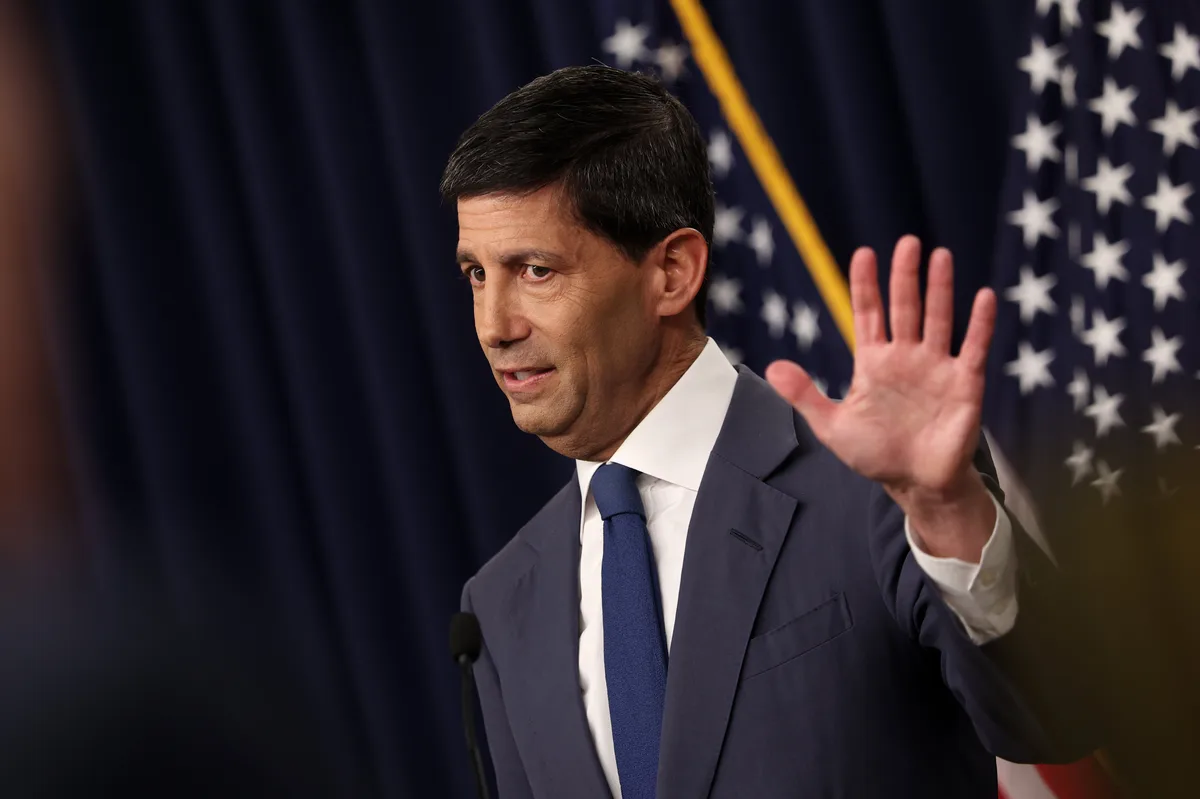
Treasury Secretary Scott Bessent finds himself navigating a narrow corridor: he wants to provide meaningful support for Japan's yen, but doing so through conventional means — selling U.S. Treasuries — risks roiling an already sensitive American bond market. That tension is pushing analysts and policymakers to consider an unconventional path that runs directly through the Federal Reserve.
The traditional playbook for currency intervention involves a government selling foreign-held assets, typically U.S. Treasuries, to buy up its own currency or a targeted foreign one. But with bond markets already under pressure and investors closely scrutinizing every signal from Washington, a large Treasury sell-off could send yields spiking and undermine the very economic stability the intervention is meant to protect. Bessent's challenge, then, is finding a mechanism that achieves the currency goal without adding stress to the debt market.
Read more Uber and Waymo Clash Over AV Deployment and Labor in D.C. →
That is where the Fed's potential involvement becomes analytically significant. The central bank has tools — including swap lines and coordinated liquidity facilities — that could be deployed to support yen stabilization efforts without requiring a direct drawdown of Treasury holdings. Such arrangements would represent a notable fusion of monetary and fiscal policy objectives, something that central bank independence frameworks are designed to keep carefully separated.
The broader geopolitical stakes add another layer of complexity. Japan remains one of the largest foreign holders of U.S. government debt, and a disorderly decline in the yen carries real risks for bilateral financial stability. A coordinated approach between the Treasury and the Fed could signal to markets that Washington is serious about currency alignment with key allies — but it would also invite scrutiny about the degree to which the Fed is being drawn into political objectives.
Whether the Fed ultimately participates will depend on its own assessment of mandate and independence, but the conversation itself reflects how intertwined currency, bond, and central bank policy have become in the current global environment. Continue reading at US Top News and Analysis.