Senate Moves to Confirm Jay Clayton as Intelligence Director
The Senate is set to vote Tuesday on Jay Clayton, Trump's pick for director of national intelligence, ending Bill Pulte's brief interim tenure.
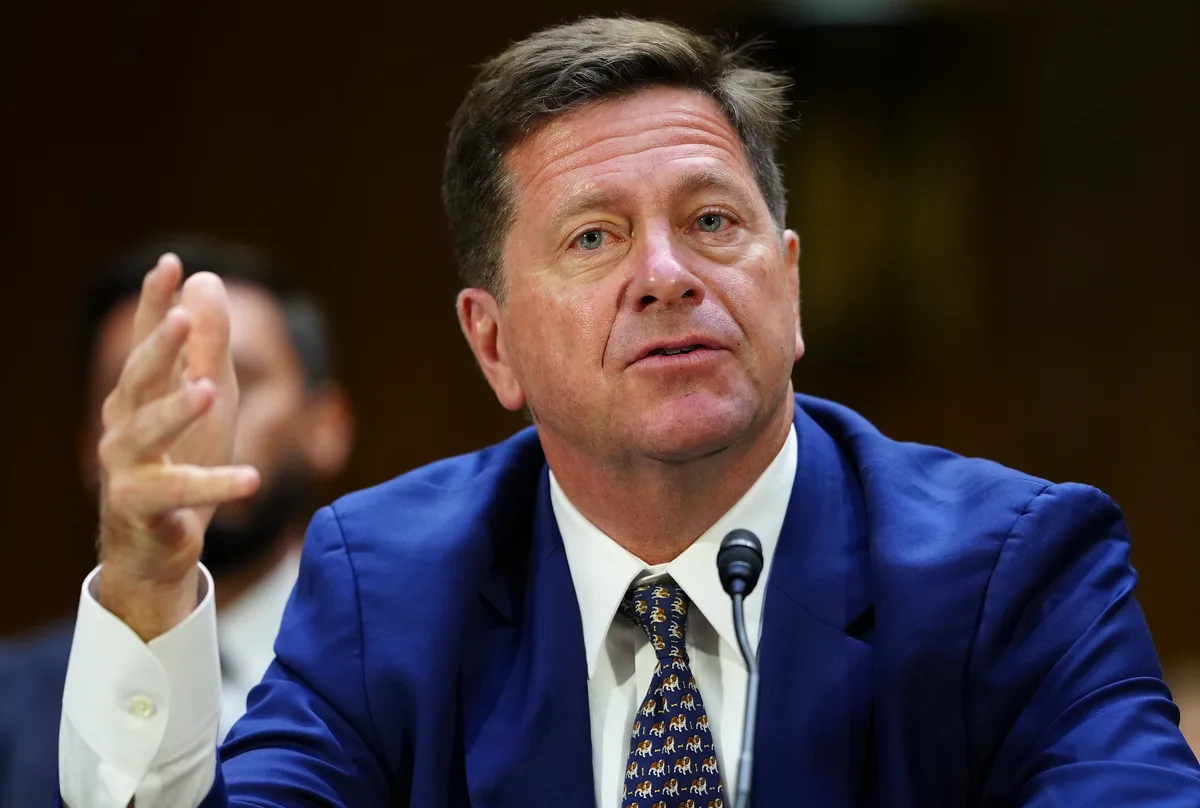
The United States Senate is poised to cast a confirmation vote Tuesday on Jay Clayton, President Donald Trump's nominee to lead the nation's intelligence community as director of national intelligence. The vote marks a significant moment in the administration's effort to install its preferred leadership across the sprawling U.S. spy apparatus.
Clayton, whose background is rooted in financial regulation rather than intelligence — he previously served as chairman of the Securities and Exchange Commission under Trump's first term — would assume oversight of the seventeen agencies that comprise the American intelligence community if confirmed. His nomination has drawn attention precisely because of that unconventional resume, raising questions about how a securities lawyer turned regulator would navigate the complex geopolitical and operational demands of the nation's top spy role.
Read more Medicare Drug Program Overhaul Could Push Seniors to Advantage Plans →
The anticipated confirmation vote also effectively brings to a close the brief interim tenure of Bill Pulte, who had been serving in a caretaker capacity. Short interim stints like Pulte's often reflect the administrative realities of a transition period, but they rarely allow for substantive policy direction within institutions as sensitive and operationally continuous as the intelligence community.
For the broader national security establishment, the confirmation of a permanent DNI carries institutional weight beyond mere personnel change. The director of national intelligence coordinates intelligence sharing across agencies and serves as the principal adviser to the president on intelligence matters — a role that demands both bureaucratic authority and the confidence of career intelligence professionals. How Clayton would build that trust, given his distance from traditional intelligence work, remains one of the central questions his tenure would need to answer.
Continue reading at US Top News and Analysis.