A Broad Coalition of AI Skeptics Is Taking Shape in America
Evangelicals, labor unions, and data-center opponents are uniting around shared concerns about the pace of AI-driven change.
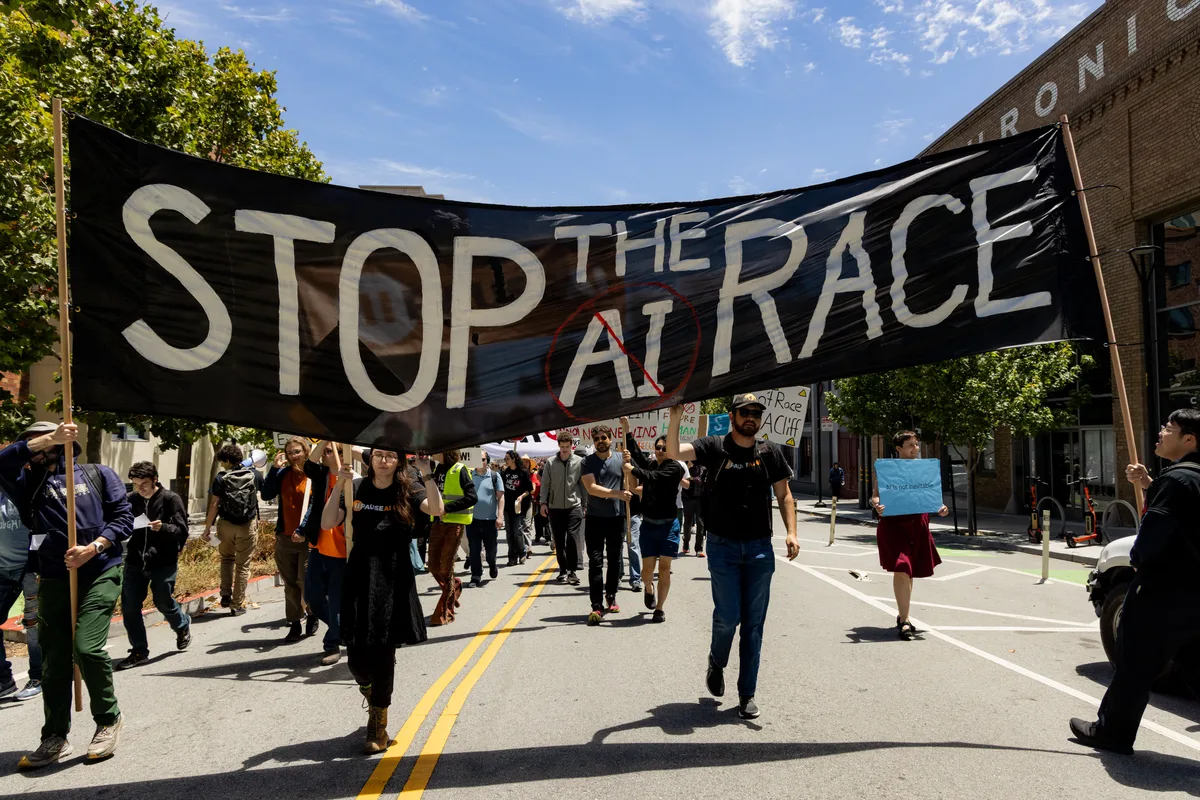
A politically heterogeneous coalition of AI skeptics is quietly gaining momentum in the United States, drawing together groups that rarely find themselves on the same side of any issue. Evangelical Christians, organized labor, and grassroots activists opposing AI data-center expansion are converging around a common anxiety: that artificial intelligence is reshaping society faster than democratic institutions, workers, or communities can meaningfully respond.
What makes this coalition notable is precisely its ideological range. Labor unions have long raised alarms about automation displacing workers, but the addition of faith communities signals that skepticism about AI's trajectory is no longer confined to the political left. Evangelicals, in particular, bring concerns rooted in moral and theological frameworks — questions about human dignity, the sanctity of work, and the dangers of ceding consequential decisions to opaque algorithmic systems.
Read more UK PM Burnham Signals Willingness to Challenge Trump Directly →
Anti-data-center activists represent a more localized but intensifying front. As tech companies race to build the physical infrastructure required to train and run large AI models, communities across the country are pushing back against the land use, water consumption, and energy demands those facilities impose. Their grievances are tangible and immediate in ways that abstract debates about superintelligence rarely are, giving the broader coalition a grassroots anchor.
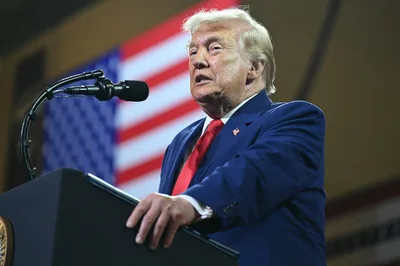
The political significance of this alignment lies in where it sits relative to the current administration. The Trump White House has positioned itself as a champion of AI development and deregulation, framing technological acceleration as a matter of national competitiveness against China. A coalition that spans evangelical voters — a core Republican constituency — union households, and local community groups represents a potential pressure point that cuts across traditional partisan lines, one that could complicate the administration's largely permissive posture toward the industry.
Whether this loose grouping can translate shared unease into durable political pressure remains to be seen. Coalitions built on a common adversary rather than a unified affirmative agenda often struggle to hold together once they encounter the hard tradeoffs of policymaking. But the breadth of concern being expressed suggests that public ambivalence about AI is deeper and more structurally embedded than the technology industry's optimistic projections typically acknowledge. Continue reading at US Top News and Analysis.