Uber and Waymo Clash Over AV Deployment and Labor in D.C.
The two mobility giants are diverging sharply on autonomous vehicle policy, with a labor dispute in Washington intensifying their split.
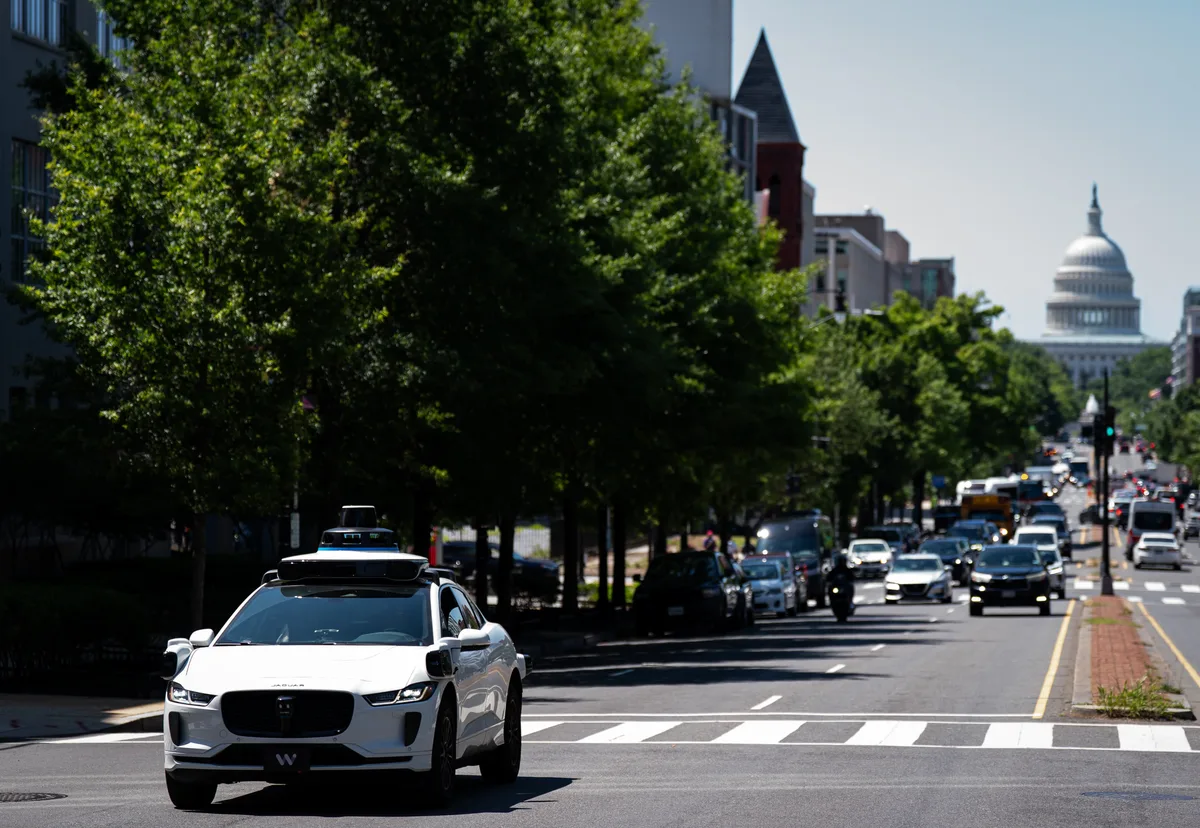
What once looked like a cautious partnership between Uber and Waymo is fracturing into an open rivalry, and the fault lines run deeper than market competition alone. At the center of the dispute is a labor battle playing out in Washington, D.C., where the mass deployment of autonomous vehicles carries profound implications for gig workers, taxi drivers, and the broader workforce that has long underpinned ride-hailing economics.
The disagreement reflects fundamentally different visions for how autonomous vehicles should enter the mainstream. Waymo, backed by Alphabet and operating its own fully driverless fleet, has a direct commercial interest in pushing rapid AV adoption with minimal regulatory friction. Uber, by contrast, remains deeply reliant on its network of human drivers — millions of independent contractors whose livelihoods depend on the company's platform staying relevant in a world increasingly flirting with automation.
Read more Drone Strike Hits Two Ships at Egypt Mediterranean Port →
Washington, D.C. has emerged as a symbolic and practical battleground precisely because federal regulatory signals emanate from the capital. How the city and federal policymakers handle AV licensing, safety oversight, and labor protections could set precedents that ripple across every major metro market in the country. The stakes for organized labor are considerable: a swift, unregulated rollout of driverless vehicles could accelerate job displacement in an industry that employs hundreds of thousands of Americans.
The Uber-Waymo rift also illuminates a broader tension within the tech and transportation industries — between platforms that profit from human labor and those engineering its replacement. Uber has historically resisted classifying its drivers as employees; the emergence of AVs adds a new, existential dimension to that long-running debate. For Waymo, the absence of a driver workforce is a feature, not a complication, making it a natural ally of automation-forward policymaking.
As both companies lobby aggressively for their preferred regulatory frameworks, the outcome in D.C. will likely shape the pace and terms of AV adoption nationwide. Continue reading at US Top News and Analysis.