U.S.-Belgium World Cup Match Could Shatter TV Viewership Records
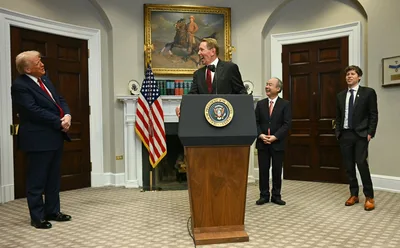
Industry experts predict the U.S.-Belgium clash may set all-time viewing marks, amplified by political controversy surrounding Trump and the World Cup.
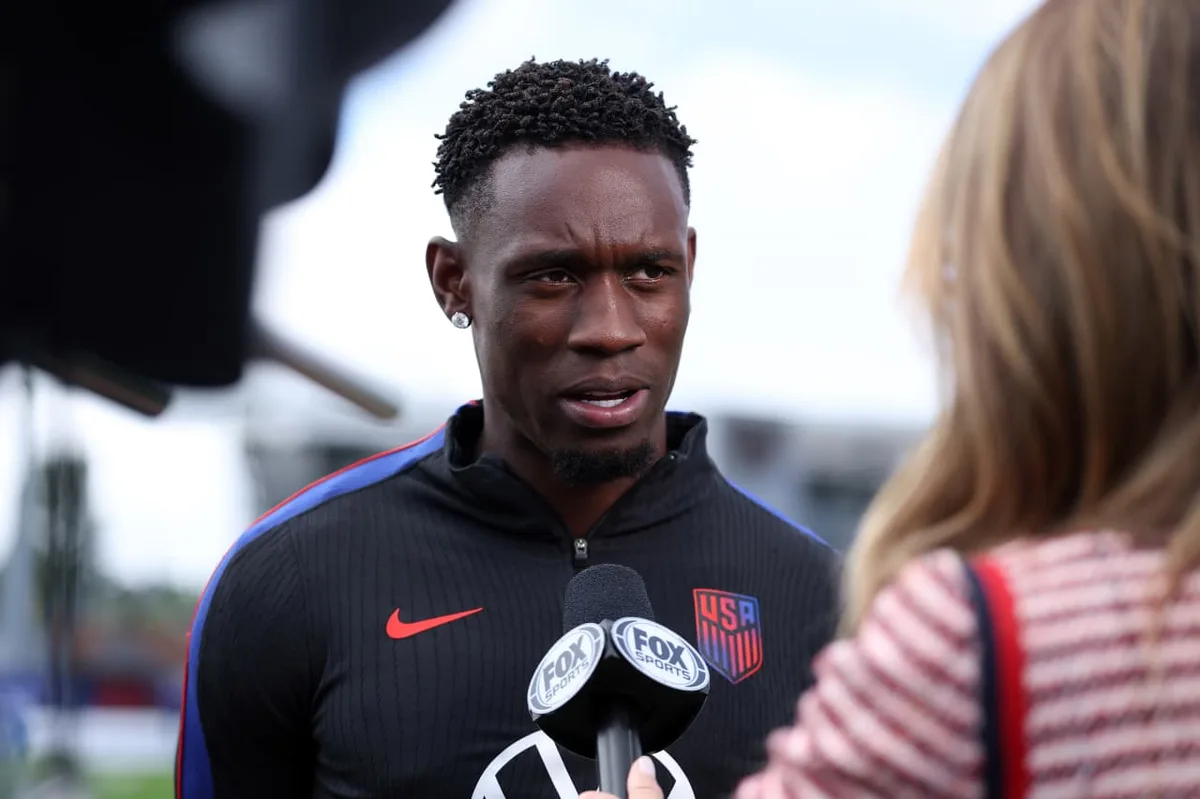
The United States men's national soccer team's upcoming match against Belgium is generating extraordinary buzz — and not just for athletic reasons. Industry experts are forecasting that the game could attract a record television audience for any U.S. soccer match, a prediction that underscores how politics and sports have become increasingly intertwined in the American cultural conversation.
The backdrop here matters. Controversy surrounding former President Donald Trump and the hosting of the World Cup has injected an unusual degree of political salience into what might otherwise be a straightforward sporting event. That friction, paradoxically, appears to be driving public attention rather than suppressing it — a dynamic familiar to media analysts who have long observed that controversy is among the most reliable engines of viewership.
Read more A 70-Year-Old Beekeeper Fights to Save His Family's Honey Legacy →
Soccer in the United States has been on a slow but measurable upward trajectory for years, with Major League Soccer expanding its footprint and younger demographics showing stronger affinity for the game than prior generations. A potential record audience for this match would represent both the culmination of that trend and a stress test of how much external, non-sporting factors can accelerate it. If the numbers bear out the predictions, broadcasters and advertisers will take serious note of soccer's commercial ceiling in the American market.
What makes this moment analytically significant is the convergence of forces: a high-stakes international matchup, a politically charged hosting environment, and a sport that has spent decades building toward mainstream American relevance. Whether the viewership milestone materializes or not, the anticipation alone signals that U.S. soccer has arrived at a new threshold of cultural visibility — one that extends well beyond traditional fan bases into the broader national conversation.
Continue reading at MarketWatch.com