How Costco Uses Cheap Gas to Drive Membership and Loyalty
Record demand for Costco fuel stations reveals a deliberate loss-leader strategy that keeps shoppers coming back.
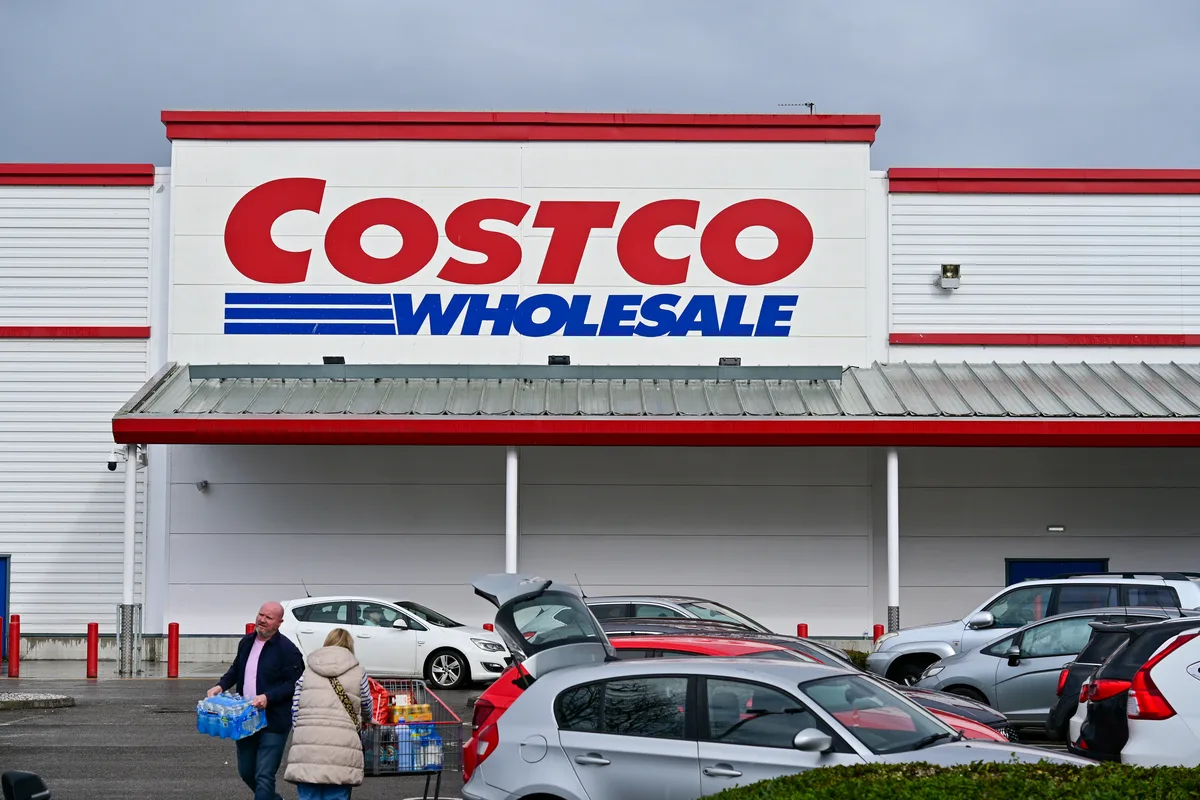
As pump prices climb, American drivers are increasingly lining up at Costco gas stations — and the warehouse retailer is perfectly fine with that. The surge in demand is no accident; it reflects a pricing strategy that retail analysts describe as a textbook application of the loss-leader model, where one product is sold at or near cost specifically to attract customers who then spend money elsewhere in the store.
Costco's ability to undercut competitors at the pump stems from its fundamental business architecture. Unlike traditional retailers that rely on product margins, Costco's profit engine is its membership fee structure. That dynamic frees the company to offer fuel at prices that would squeeze a conventional gas station, because the real payoff arrives when members fill their carts inside the warehouse — or simply renew their annual memberships year after year.
Read more Coachella Valley Children Discover Ballet Through Swan Lake Acrobatics →
The behavioral math is straightforward: a driver who saves noticeably on a tank of gas associates that savings with the value of their Costco card. That perceived value reinforces renewal decisions and increases the frequency of in-store visits. Experts note this is "straight out of the retail playbook" — a phrase that captures just how deliberately and effectively the company deploys the tactic compared to rivals who attempt it less systematically.
What makes Costco's execution distinctive is consistency. The retailer does not use fuel as an occasional promotional tool; it maintains the price advantage persistently, building habitual behavior among members. In an inflationary environment where consumers are acutely price-sensitive, that consistency carries outsized weight and competitive insulation that is difficult for standalone fuel retailers or even big-box competitors to replicate without the same membership-revenue cushion.
The record demand Costco is now seeing at its pumps is, in this light, less a windfall than a validation of a long-held strategic bet — one that grows more powerful precisely when energy costs rise and consumer budgets tighten. Continue reading at US Top News and Analysis.