A 70-Year-Old Beekeeper Fights to Save His Family's Honey Legacy
David Bradshaw, 70, is navigating one of the toughest eras in modern beekeeping to preserve a multigenerational family honey farm.
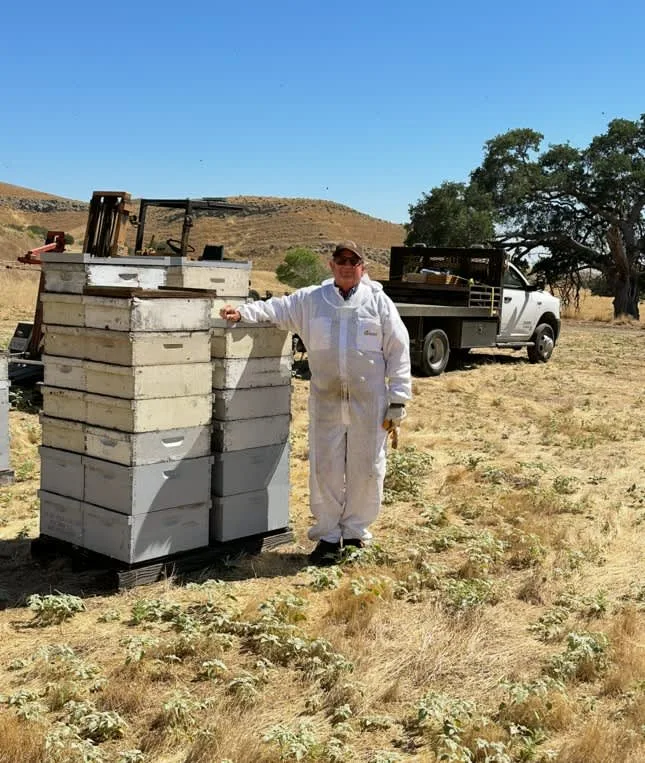
For David Bradshaw, the stakes of beekeeping extend far beyond honey production. At 70, the veteran beekeeper is working to sustain a family farm that represents not just a livelihood but a generational obligation — one he describes as a legacy he feels personally responsible for protecting.
The broader beekeeping industry has faced mounting pressures in recent years, from colony collapse disorder and pesticide exposure to climate volatility and the spread of invasive parasites like the Varroa mite. These compounding threats have made it increasingly difficult for small, family-operated apiaries to remain viable against the economic and environmental headwinds battering the sector.
Read more Coachella Valley Children Discover Ballet Through Swan Lake Acrobatics →
Bradshaw's story captures a tension playing out across American agriculture: the desire to honor inherited traditions while adapting to conditions that bear little resemblance to those faced by previous generations. Legacy farms often lack the capital buffers of industrial operations, making resilience a matter of ingenuity and sheer will as much as resources.
What distinguishes accounts like Bradshaw's is the emotional architecture underlying the economic struggle. The language of legacy and responsibility signals that decisions about whether to continue are rarely made purely on financial grounds — they carry the weight of family identity and place-based history that no spreadsheet can fully capture.
For anyone watching the slow attrition of small-scale American farming, Bradshaw's determination serves as both an inspiration and a cautionary measure of how much individual resolve is now required just to hold ground. Continue reading at US Top News and Analysis.