Meta Breaks Ground on Its First Major Canadian Data Center
Meta's push into Canada marks a significant step in cross-border AI infrastructure expansion as demand for computing power surges.
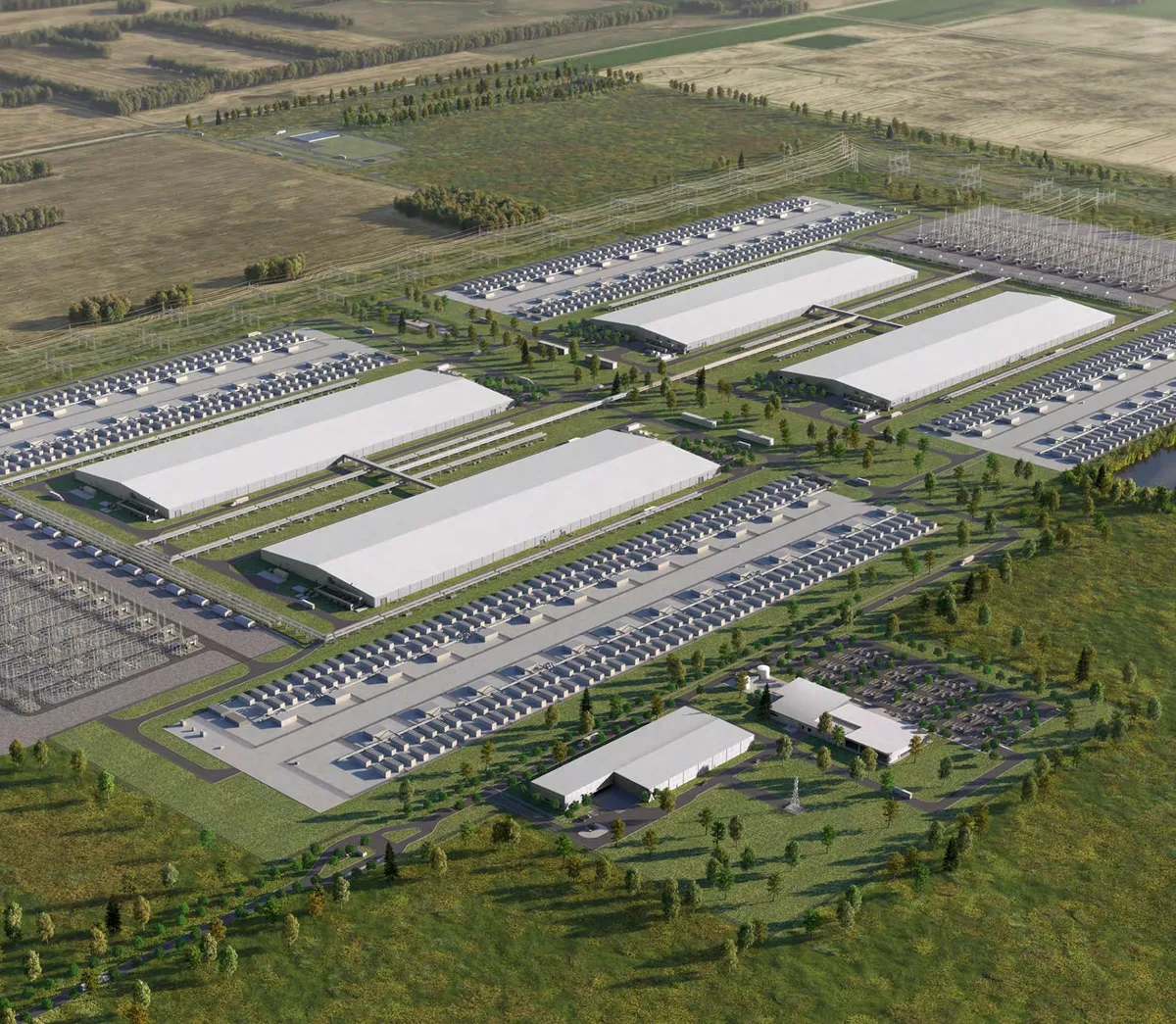
Meta Platforms is constructing its first large-scale data center in Canada, a move that signals the social media and AI giant's intent to extend its computing infrastructure well beyond its traditional US footprint. The facility represents a meaningful geographic diversification for a company that has been investing aggressively in the hardware backbone required to train and run increasingly sophisticated artificial intelligence models.
The expansion into Canada fits a broader pattern among major US technology firms seeking to tap into the country's favorable conditions for data center development — including access to relatively affordable and cleaner energy sources, cooler climates that reduce cooling costs, and a stable regulatory environment. For Meta specifically, building capacity outside the United States also positions the company to better serve Canadian users and potentially address data residency considerations that are becoming more prominent in tech policy discussions.
Read more A 70-Year-Old Beekeeper Fights to Save His Family's Honey Legacy →
The timing is telling. Meta, like its peers at Google, Microsoft, and Amazon, is locked in an infrastructure arms race driven by the explosive growth of generative AI. Data centers are no longer just storage hubs — they are the physical engines of AI competition, and whoever controls more compute capacity holds a structural advantage in developing and deploying next-generation models. Meta's Canadian facility is a tangible expression of how seriously the company is treating that race.
For Canada, attracting a flagship Meta data center carries both economic and symbolic weight. It brings construction jobs, long-term operational employment, and tax revenue, while also cementing the country's status as a viable destination for hyperscale technology investment. Whether Canadian policymakers will also scrutinize the deal through a data sovereignty or competition lens remains an open question as the facility moves forward.
Continue reading at US Top News and Analysis