Klarna Pursues US Bank Charter as Fintech Ambitions Grow
Klarna is applying for a US bank charter, joining a broader fintech and crypto push to enter traditional banking.
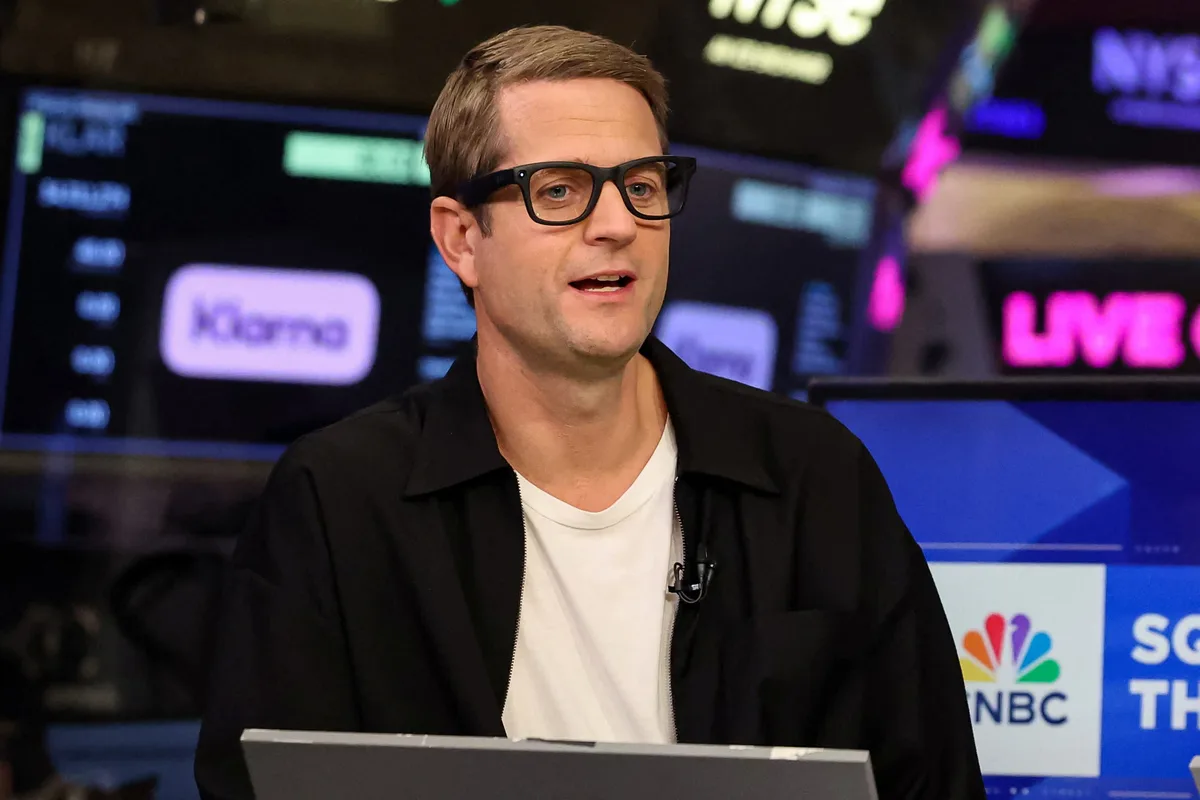
Klarna, the Swedish buy now, pay later giant, is making a significant strategic move by seeking a United States bank charter — a step that signals the company's ambition to evolve well beyond its origins as a consumer credit installment service. The application places Klarna alongside a growing cohort of fintech and cryptocurrency firms that are actively pursuing formal entry into the regulated banking system, a trend that is reshaping the boundaries between technology-driven finance and legacy institutions.
Obtaining a bank charter in the US would grant Klarna the ability to accept federally insured deposits, potentially reducing its dependence on third-party funding sources and lowering its cost of capital. For a company preparing for a high-profile public offering, that kind of balance sheet flexibility carries meaningful strategic weight. It also opens the door to a wider range of financial products — from savings accounts to broader lending services — that could deepen customer relationships and expand revenue streams.
Read more A 70-Year-Old Beekeeper Fights to Save His Family's Honey Legacy →
The move reflects a broader tension playing out across the financial sector. Fintech companies that once positioned themselves as nimble alternatives to big banks are increasingly recognizing that operating within the regulated banking framework offers durable competitive advantages, including access to the Federal Reserve's payment systems and greater consumer trust. At the same time, regulators will scrutinize any charter application carefully, and the approval process can be lengthy and uncertain.
Klarna's pursuit of a bank charter also arrives at a pivotal moment for the buy now, pay later industry, which has faced tightening regulatory scrutiny and questions about consumer debt risk. Becoming a licensed bank could provide Klarna with greater regulatory clarity while simultaneously repositioning its brand as a full-spectrum financial services provider rather than a single-product lender. Whether regulators green-light the application remains to be seen, but the intent alone underscores how dramatically the fintech landscape is converging with traditional banking.
Continue reading at US Top News and Analysis