Jersey Mike's Shifts Strategy to Court Younger Diners Online
The newly public sandwich chain spent almost nothing on digital marketing — but its CEO says that era is ending as the brand targets younger customers.
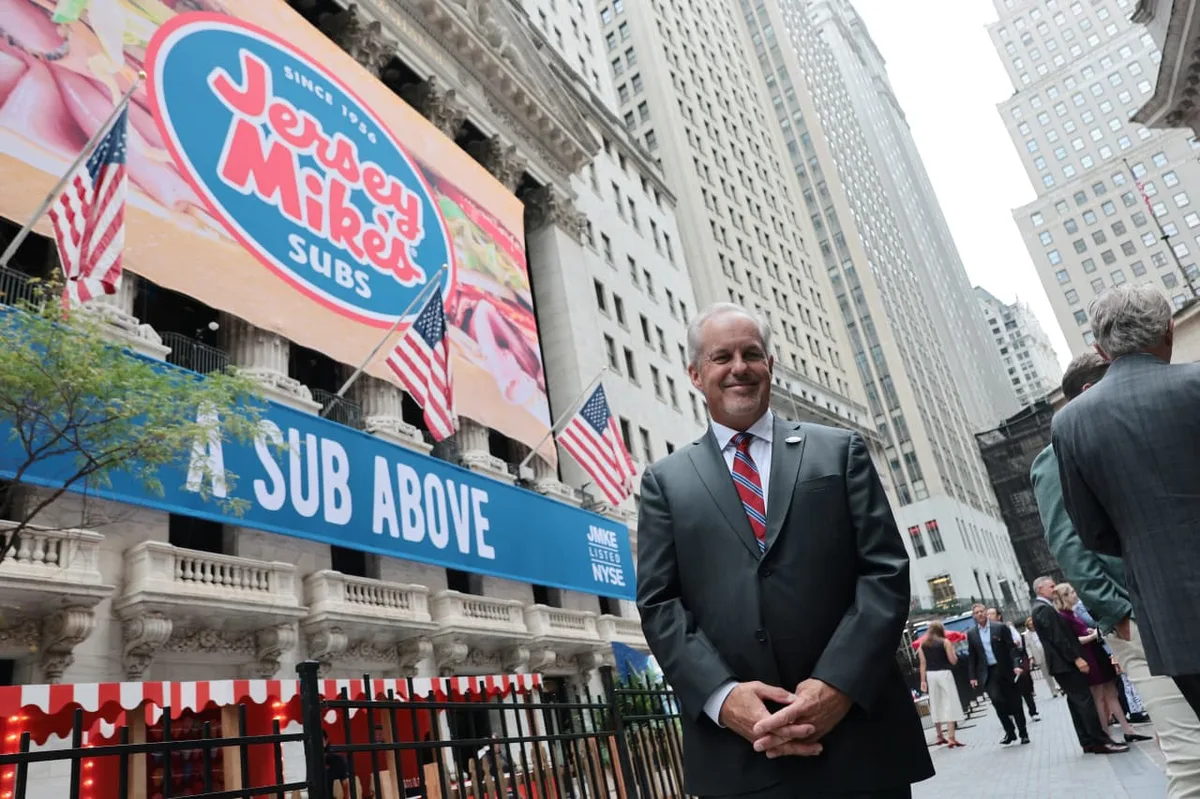
Jersey Mike's built one of the most quietly successful franchises in American fast-casual dining without spending meaningfully on digital marketing. That disciplined restraint, which the CEO describes as spending almost 'zero dollars' on digital channels, served the brand well enough to carry it through a period of rapid expansion — but company leadership now acknowledges the strategy has a ceiling.
With Jersey Mike's having recently gone public, the stakes of that calculus have changed considerably. Public markets demand growth narratives, and growth increasingly runs through the demographics that live on social platforms, streaming services, and mobile apps. The CEO's candid admission signals that the chain is entering a new chapter — one where brand-building must compete for attention in digital spaces it previously ignored.
Read more Xbox Chief Maps Out Strategy to Lead on Margins by 2030 →
The pivot toward digital marketing is, at its core, a generational bet. Younger consumers — millennials and Gen Z in particular — are notoriously difficult to reach through traditional channels like print and broadcast. Chains that have invested early in influencer partnerships, loyalty apps, and targeted social advertising have often seen measurable lifts in both foot traffic and order frequency. Jersey Mike's is arriving at this realization later than many competitors, which could be a disadvantage or, depending on execution, an opportunity to leapfrog dated playbooks.
What makes this strategic shift analytically interesting is what it reveals about the broader QSR landscape: organic word-of-mouth and community-level brand loyalty can scale a business impressively, but they cannot fully replace the precision targeting that modern digital infrastructure offers. Jersey Mike's transition from analog growth engine to data-informed marketer will be worth watching — both as a case study in late-stage digital adoption and as a test of whether authenticity survives the algorithm.
Continue reading at MarketWatch.com