Hybrids Emerge as U.S. Auto Market's Dominant Force in 2025
Hybrid vehicles are capturing growing U.S. market share as EV demand softens, winning consumers on practicality and affordability.
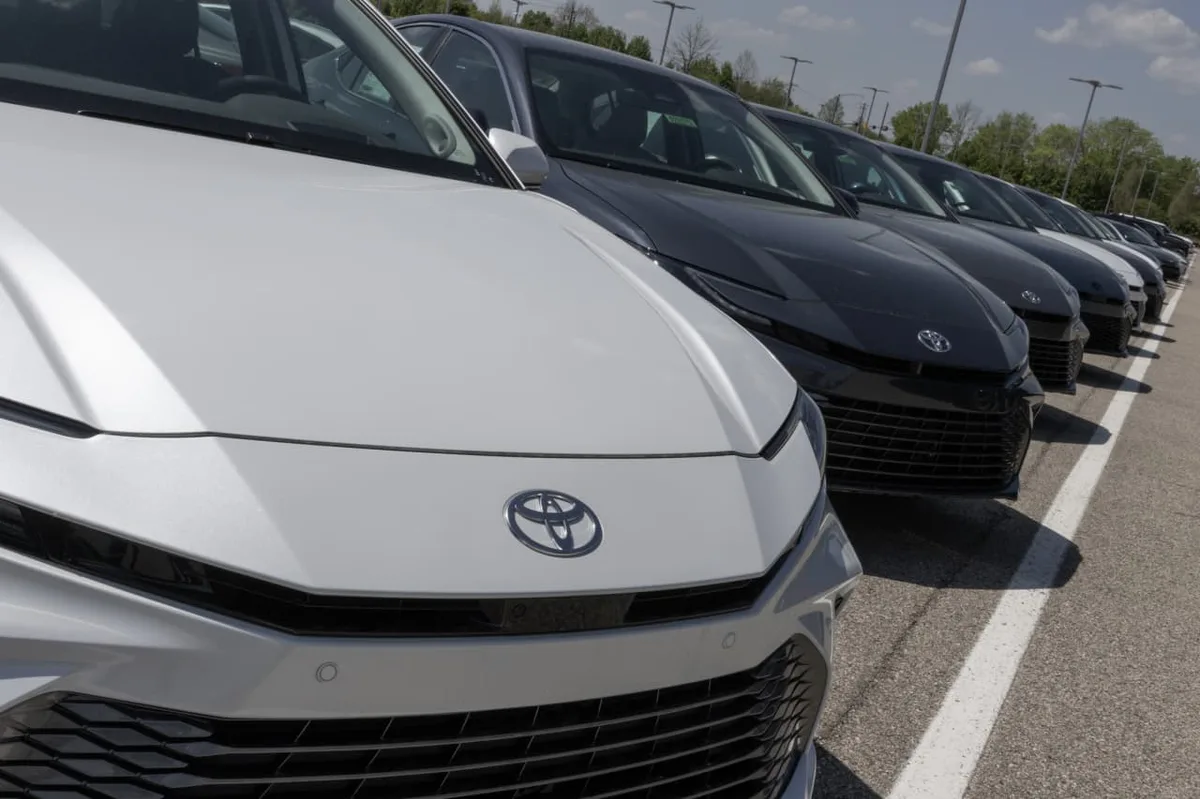
The American car market is undergoing a quiet but consequential realignment. Hybrid vehicles, long dismissed as a transitional technology on the road to full electrification, are increasingly being embraced as a destination in their own right — a sign that consumer preferences are more pragmatic than the industry's electrification roadmap anticipated.
For years, the dominant narrative in Detroit and Silicon Valley held that hybrids were merely a stepping stone, a comfortable compromise for drivers not yet ready to commit to a fully electric vehicle. That framing is now being challenged by market data showing that EV demand has softened while hybrid sales continue to climb. Consumers appear to be voting with their wallets for a technology that eliminates range anxiety and fueling infrastructure concerns without requiring a wholesale change in driving habits.
Read more A 70-Year-Old Beekeeper Fights to Save His Family's Honey Legacy →
The appeal is rooted in something straightforward: hybrids deliver meaningful fuel savings and reduced emissions without the logistical demands of home charging infrastructure or the price premium that still burdens many battery-electric models. In an environment of elevated vehicle prices and persistent interest rates, the value proposition of a hybrid has sharpened considerably. Buyers can capture efficiency gains without taking on the risk or inconvenience that still accompanies EV ownership for a significant portion of the population.
What makes this moment analytically interesting is the implication for automakers who accelerated EV investment while paring back hybrid development. The market is effectively signaling that the transition to full electrification will be longer, more uneven, and more consumer-driven than corporate sustainability pledges or regulatory timelines suggested. Hybrids are no longer bridging anywhere — they may be where many drivers choose to stay.
Continue reading at MarketWatch.com