Google Backs Proxima Fusion in $468M Nuclear Energy Round
Proxima Fusion secured $468M with Google's backing, aiming to build Europe's first commercial nuclear fusion power plant.
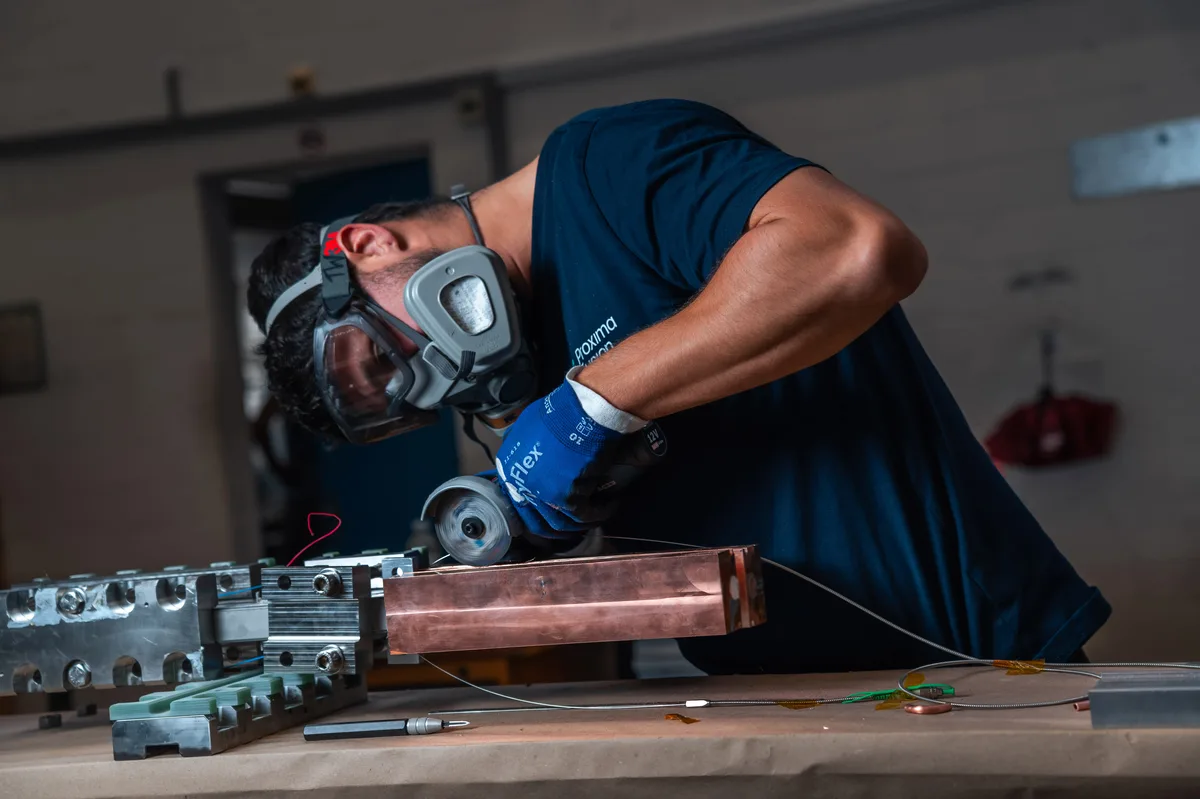
Nuclear fusion, long celebrated as the energy technology that is always decades away, may be inching closer to commercial reality. Proxima Fusion, a European startup working to harness the power that drives the sun, has raised $468 million in a funding round that includes backing from Google — a signal that deep-pocketed corporate investors are beginning to treat fusion as a near-term industrial bet rather than a distant scientific dream.
The capital infusion positions Proxima Fusion as one of the better-funded private fusion ventures globally, and its ambitions are explicitly commercial: the company is targeting what would be Europe's first commercial fusion power plant. That goal places it at the leading edge of a continent that has historically channeled fusion research through large public projects like ITER, the multinational experimental reactor under construction in southern France, rather than through privately capitalized ventures.
Read more A 70-Year-Old Beekeeper Fights to Save His Family's Honey Legacy →
Fusion's appeal is straightforward — it promises virtually limitless, carbon-free energy by replicating the same atomic process that powers stars, and it produces no long-lived radioactive waste. Its challenge is equally well-known: confining superheated plasma at conditions extreme enough to sustain a net energy reaction has proven extraordinarily difficult to engineer at scale. Decades of government-funded research have yielded scientific milestones but no commercial electricity generation.
Google's involvement is notable beyond the dollar figure. The tech giant has previously invested in renewable and clean-energy infrastructure, and its participation lends credibility to Proxima's commercial timeline in a sector that has attracted both serious scientists and credulous hype. For investors, the question is no longer whether fusion works in principle but whether any private company can engineer it into a grid-connected power plant at a cost that makes economic sense.
The race to commercialize fusion is now genuinely competitive, with multiple well-funded startups — primarily American and British — pursuing different technical approaches. Proxima Fusion's fundraise ensures Europe has a credible contender in that contest. Continue reading at US Top News and Analysis.