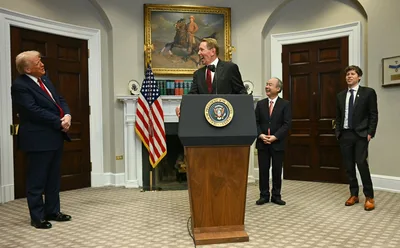
Circle Advances Crypto Ambitions With U.S. Trust Bank Charter
Stablecoin issuer Circle has secured U.S. trust bank approval, marking a significant step in its push to expand within regulated American financial infrastructure.
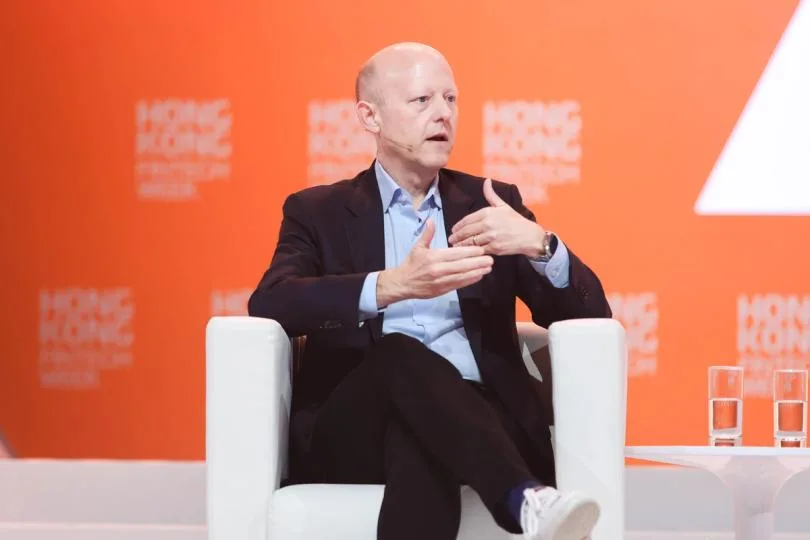
Circle Internet Financial, the company behind the USDC stablecoin, has obtained approval to operate as a U.S. trust bank — a milestone that positions the firm more firmly within the regulated banking architecture that has historically kept crypto companies at arm's length from mainstream financial institutions.
A trust bank charter is not a full commercial banking license, but it carries meaningful weight. It allows the holder to custody assets, manage fiduciary relationships, and operate under direct federal or state oversight, lending a layer of institutional credibility that pure crypto firms have long struggled to achieve. For Circle, whose business model depends on the perceived safety and regulatory legitimacy of USDC, the approval functions as both a compliance win and a competitive signal.
Read more A 70-Year-Old Beekeeper Fights to Save His Family's Honey Legacy →
The timing matters. Circle has been navigating a crowded and increasingly policy-sensitive stablecoin landscape, with Congress actively debating federal stablecoin legislation that could reshape who is permitted to issue dollar-pegged digital assets and under what conditions. Securing a trust bank designation ahead of any legislative outcome gives Circle a structural advantage — it demonstrates proactive regulatory engagement rather than reactive compliance.
For the broader crypto industry, Circle's approval is a data point worth watching. It suggests that at least some U.S. regulators are willing to extend formal banking-adjacent status to well-capitalized stablecoin issuers, a posture that would have seemed unlikely just a few years ago during peak regulatory hostility toward the sector. Whether this signals a durable thaw or a case-by-case exception remains an open question, but Circle's trajectory offers a template other firms may seek to replicate.
Continue reading at CoinDesk.