Alibaba Blacklists Anthropic's Claude Code Amid AI Espionage Fears
Alibaba has placed Anthropic's Claude Code on an internal high-risk software list, signaling deepening tech tensions between the US and China.
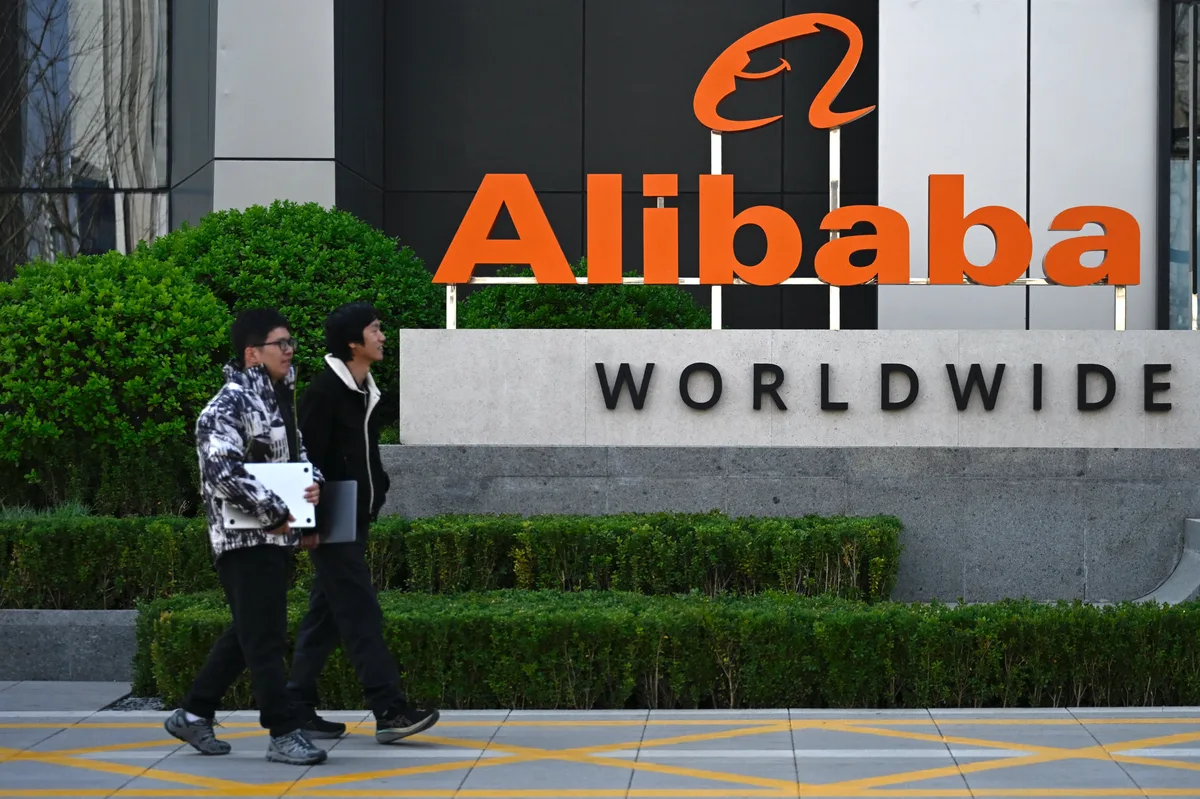
Chinese e-commerce and technology giant Alibaba has moved to restrict employee access to Anthropic's Claude Code, placing the American AI coding assistant on a formal high-risk software list. The decision reflects growing wariness among Chinese tech firms about the security implications of deploying foreign AI tools within their internal development environments.
The move follows what has been described as a "distillation attack" accusation — a technical concern in which a competing AI system is alleged to have extracted or replicated knowledge from another model's outputs without authorization. Such attacks represent an emerging and contested frontier in AI intellectual property disputes, raising questions about how model capabilities can be legally and safely shared across borders.
Read more A 70-Year-Old Beekeeper Fights to Save His Family's Honey Legacy →
The ban is notable not only for its corporate security implications but for what it signals about the broader US-China AI rivalry. As American AI companies like Anthropic push deeper into enterprise software markets, Chinese firms appear increasingly inclined to treat their products as potential vectors for data leakage or competitive intelligence gathering — whether or not such concerns are technically substantiated.
Alibaba's action also puts a spotlight on the commercial challenges facing US AI developers in China. Even as Anthropic competes aggressively in the global developer tools market, official or informal restrictions from major Chinese employers could significantly limit its footprint in one of the world's largest technology labor markets. For Anthropic, which has positioned Claude Code as a productivity tool for professional developers, losing access to Chinese enterprise customers would represent a meaningful strategic setback.
The incident underscores a broader pattern: the AI sector is rapidly becoming another arena where geopolitical friction translates directly into corporate policy. Continue reading at US Top News and Analysis.