World Cup Semifinals Trigger Late Travel Surge to U.S. Host Cities
Demand for travel to U.S. host cities is spiking as the World Cup reaches its semifinal stage, with big spenders arriving late.
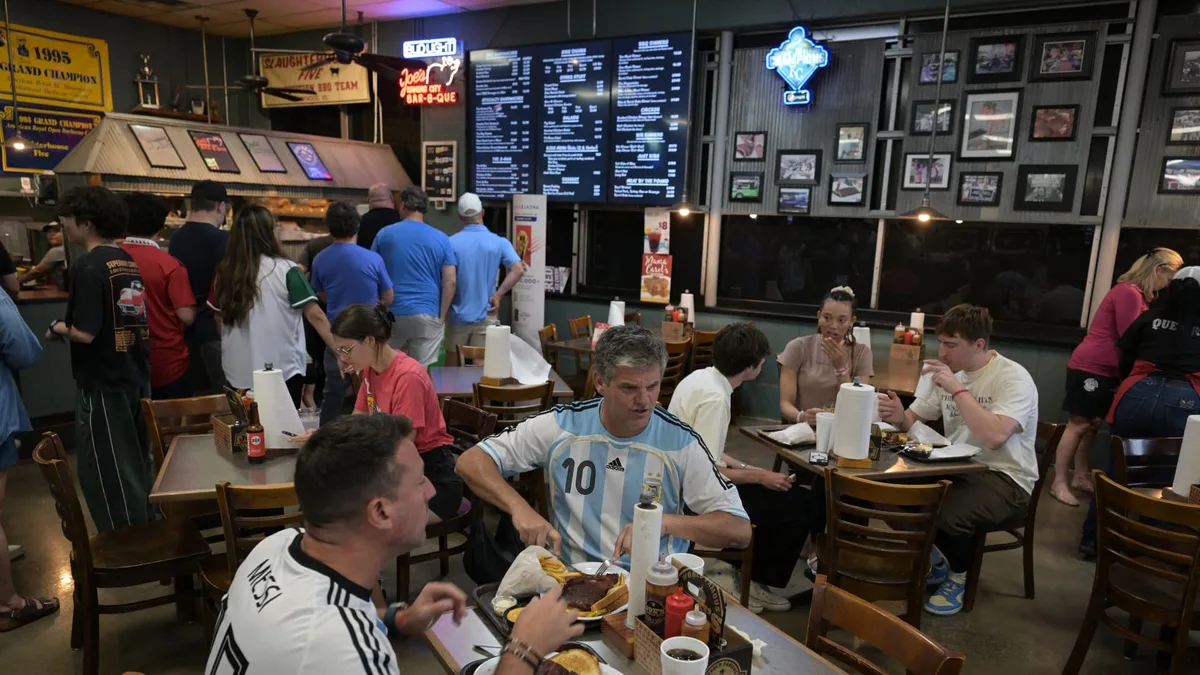
The 2026 FIFA World Cup is entering its most consequential competitive phase, and the travel economy is finally catching up. Data tracking tourism demand to U.S. host cities shows a pronounced late-stage surge, with the semifinal round acting as the inflection point that is drawing the tournament's highest-spending visitors.
This pattern aligns with what hospitality economists often describe as a 'finals funnel' — a concentration of premium travel bookings that intensifies as casual fans drop out and committed, wealthier supporters double down. The visitors arriving now are not the budget-conscious early-round tourists; they are the demographic that fills luxury hotel suites, books premium dining, and extends stays across multiple match days.
Read more Fed Expected to Hold Rates Steady: What It Means for You →
For host cities, the timing carries real economic weight. Municipal and hospitality planners had to absorb fixed infrastructure and staffing costs across the full tournament window, meaning a back-loaded spending boom is welcome but also underscores how unevenly distributed World Cup revenue can be across a host city's calendar. Cities that happen to host semifinal or final-stage matches are positioned to capture a disproportionate share of this late surge.
The broader implication is that mega-event economic modeling — often cited by boosters when pitching public investment — may need to more explicitly account for this skewed, late-arriving demand curve. Aggregate visitor numbers can look impressive, but the revenue impact is far from evenly spread across venues, dates, or local businesses. Understanding where and when the money actually lands matters as much as the headline attendance figures.
Continue reading at CNBC.