US Pay Raises Are Shrinking Again — What to Expect in 2025
Wage growth is cooling across the US economy, and projections suggest raises will be even smaller next year than they were in 2024.
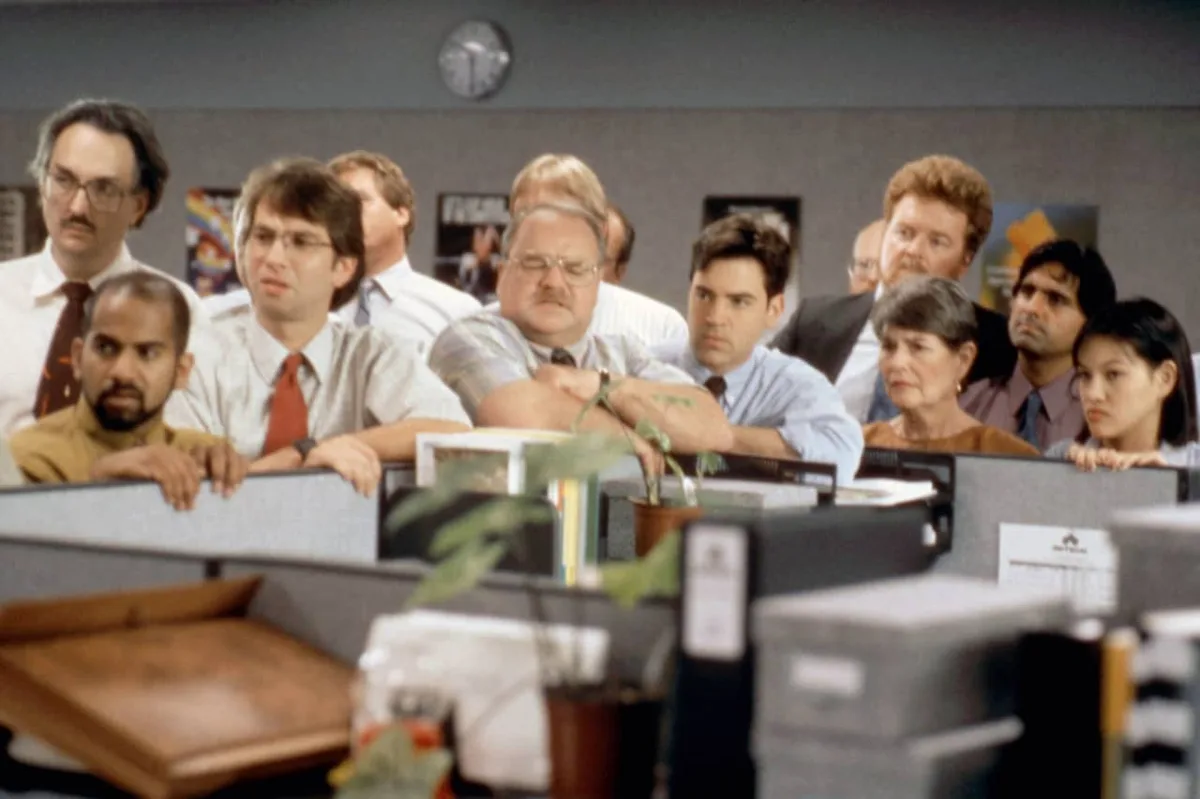
The era of pandemic-era pay bumps is fading fast. Across corporate America, employers are pulling back on compensation budgets, and workers who have grown accustomed to above-average raises over the past few years are likely to find 2025 a rude awakening. The trajectory is clear: pay increases are shrinking, and the trend shows little sign of reversing in the near term.
This deceleration in wage growth carries real consequences for household finances. When raises fail to keep pace with even modest inflation, workers effectively absorb a quiet pay cut in purchasing power terms. The psychological impact matters too — employees who expected continued gains may feel stagnant, affecting morale and productivity at a moment when many companies are also trimming headcount or freezing hiring.
Read more Fed Expected to Hold Rates Steady: What It Means for You →
One frequently cited escape valve is job-switching. Historically, workers who change employers have commanded meaningfully higher compensation bumps than those who stay put. But that calculus has shifted. The labor market, while not in free fall, has cooled considerably from its post-pandemic tightness. Fewer open roles and greater employer leverage mean that jumping ship is no longer the reliable pay accelerator it was in 2021 and 2022. Workers considering a move must weigh not just the salary offer, but the risk of landing in a more precarious position.
For workers and employers alike, the compression of wage growth signals a broader normalization of the labor market after years of extraordinary disruption. Companies are recalibrating what they need to offer to attract and retain talent in an environment where the balance of power has tilted back toward management. Understanding that dynamic — and planning accordingly — may matter more than any individual raise negotiation in the year ahead.
Continue reading at MarketWatch.com