Walmart, Costco and Amazon Poised to Win the GLP-1 Drug Race
As Americans bypass traditional channels for weight-loss prescriptions, retail giants with pharmacy arms stand to capture significant market share.
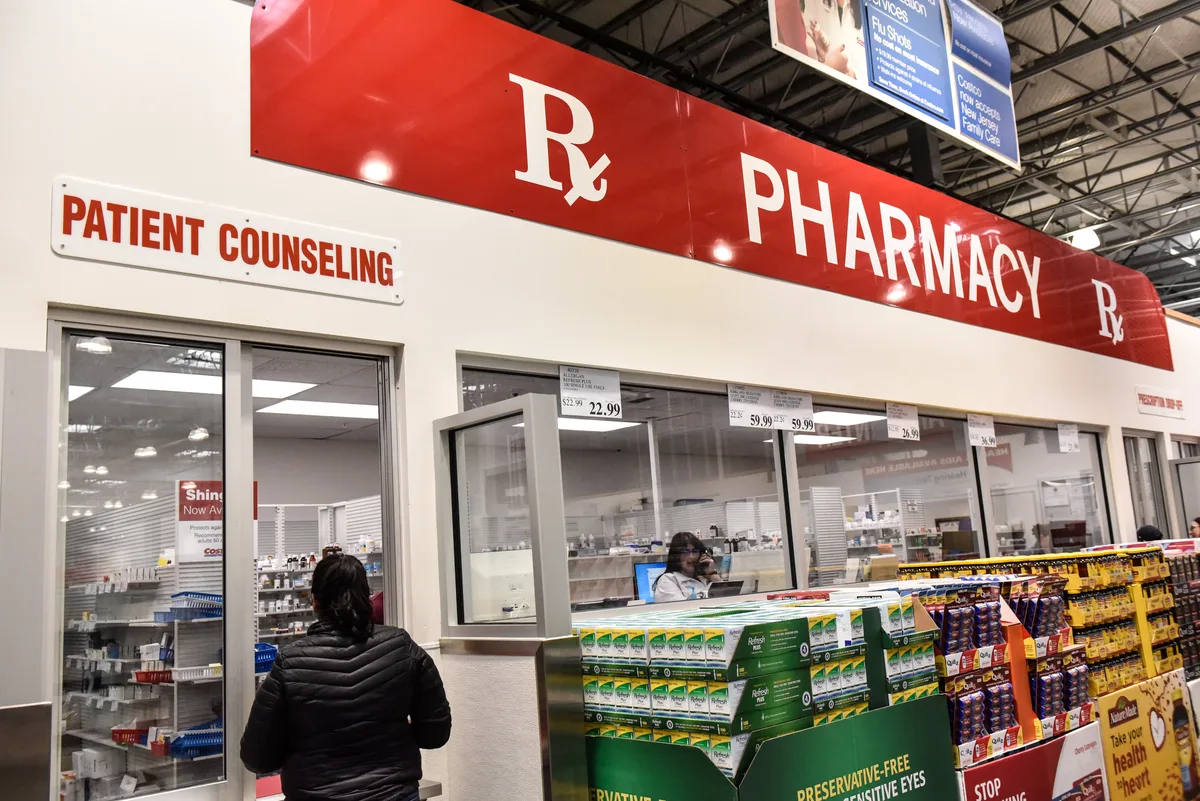
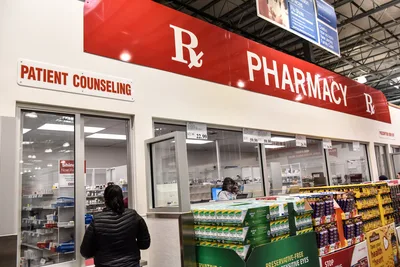
The rapid mainstreaming of GLP-1 weight-loss medications is reshaping not just American waistlines but the retail pharmacy landscape, and the biggest beneficiaries may not be traditional drugstore chains at all. As consumers are increasingly steered toward obtaining prescriptions directly, retail behemoths like Walmart, Costco, and Amazon are positioned to capture an outsized share of what analysts expect to be one of the most lucrative pharmaceutical categories in a generation.
The logic is straightforward: each of these retailers already commands deep consumer trust, massive foot traffic or digital reach, and an existing pharmacy infrastructure that can absorb surging GLP-1 demand with relative ease. Walmart's sprawling store network, Costco's membership-driven loyalty, and Amazon's frictionless fulfillment model all represent distinct but complementary competitive advantages in a market where convenience and cost are paramount for patients committing to long-term drug regimens.
Read more Walmart, Costco, Amazon Set to Gain From GLP-1 Drug Shift →
What makes this shift particularly consequential is the direct-to-consumer dynamic at its core. When patients go directly to a retail or online pharmacy rather than routing through a traditional healthcare intermediary, the value chain compresses in ways that favor scale players. Retailers with negotiating power and low-overhead pharmacy operations can undercut legacy chains on price while simultaneously bundling weight-loss drugs with related wellness products — a cross-selling opportunity that pure-play pharmacies cannot easily replicate.
The broader implication is a structural realignment of pharmaceutical retail. If GLP-1 prescriptions continue growing at their current pace, the pharmacy counters at Walmart or the Amazon Pharmacy platform could become as central to American healthcare access as the neighborhood Walgreens or CVS once were. That would mark a profound shift in how the country interfaces with prescription medicine at scale, with pricing, access, and corporate consolidation all hanging in the balance.
Continue reading at US Top News and Analysis.