TSMC Pursues Advanced Packaging to Rival Intel's Edge
TSMC is reportedly developing cutting-edge chip packaging technology that could directly challenge Intel's long-held lead in this critical area.
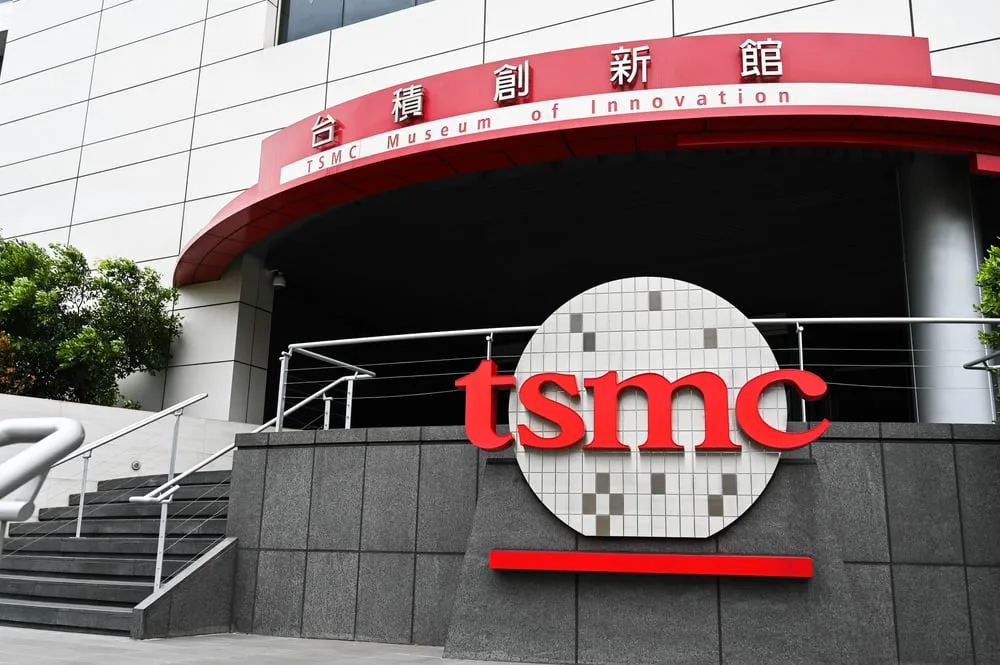
Taiwan Semiconductor Manufacturing Company, the world's dominant contract chipmaker, is reportedly working to advance its chip packaging capabilities in a move that signals a deepening rivalry with Intel — a company that has long staked part of its competitive identity on sophisticated packaging innovation.
Chip packaging, once considered a mundane back-end manufacturing step, has become a strategic battleground in the semiconductor industry. As raw transistor scaling under Moore's Law grows increasingly difficult and expensive, how chips are assembled, interconnected, and stacked within a package has emerged as a primary lever for delivering performance gains. Intel built considerable prestige around its advanced packaging roadmap, including technologies that allow multiple chiplets to communicate at high speed within a single module.
Read more Walmart, Costco, Amazon Set to Gain From GLP-1 Drug Shift →
For TSMC, moving aggressively into this space represents a natural extension of its foundry ambitions. The company already manufactures chips for virtually every major semiconductor designer, and offering world-class packaging services alongside its fabrication nodes would give customers a compelling reason to consolidate their supply chains under one roof. That kind of vertical integration in services — without owning chip designs — could meaningfully shift the industry's center of gravity.
The competitive implications extend well beyond Intel. Advanced packaging is central to the strategies of Nvidia, AMD, Apple, and a growing roster of AI-focused chip startups, all of whom rely on TSMC's fabs. If TSMC can match or surpass Intel's packaging prowess, it would tighten its grip on the entire semiconductor value chain at a moment when geopolitical pressure is already reshaping where and how chips get made.
The broader story here is about industrial leverage: whoever controls both the fabrication and the packaging of tomorrow's most complex chips will hold an outsized position in the AI and data center era. Continue reading at Yahoo Finance.