Vance Signals Imminent Iran Talks Amid Hormuz Closure Claims
VP Vance anticipates near-term diplomatic engagement with Iran as the Revolutionary Guards claim the Strait of Hormuz is again closed.
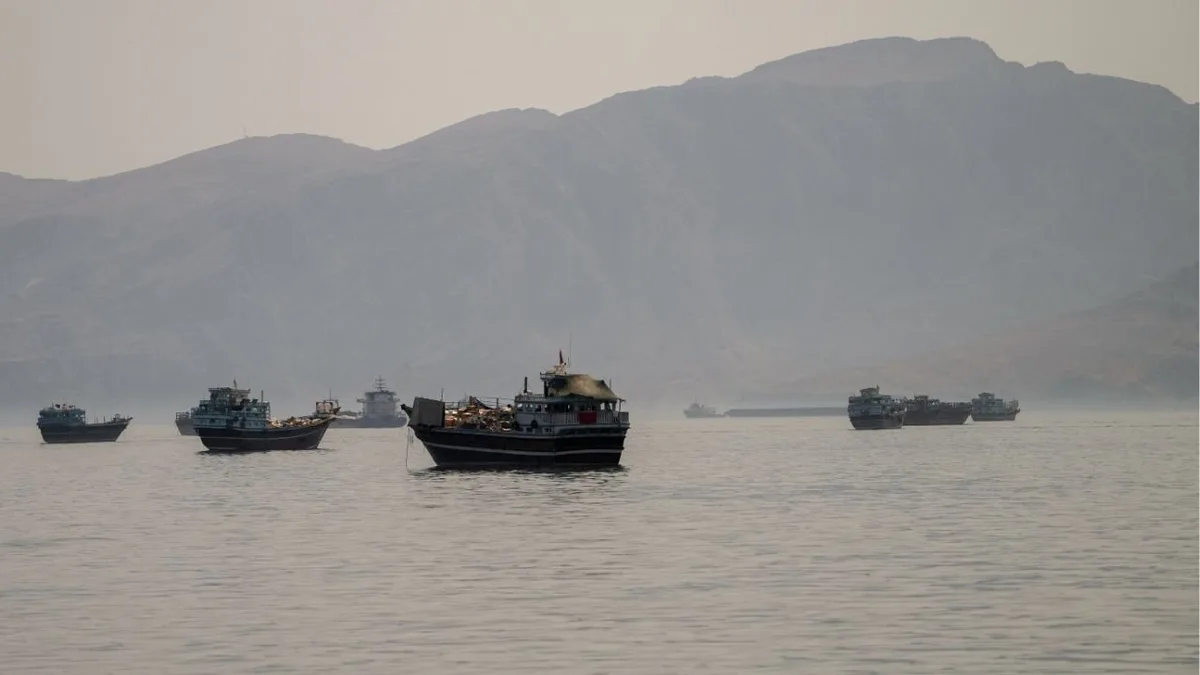
Vice President JD Vance has signaled that negotiations with Iran over its nuclear program could begin soon, even as Iran's Revolutionary Guards have renewed claims that the Strait of Hormuz — one of the world's most strategically critical maritime chokepoints — is once again closed. The convergence of diplomatic optimism and escalatory military posturing underscores the volatile and contradictory signals emerging from the current standoff between Washington and Tehran.
The Strait of Hormuz is the narrow waterway through which roughly a third of the world's seaborne oil passes, making any disruption — real or threatened — an immediate concern for global energy markets. When Iranian military forces assert control or closure over the strait, commodity traders, shipping operators, and allied governments take notice regardless of whether the claim reflects operational reality on the water. The psychological and economic weight of such declarations can move markets even absent physical blockades.
Read more GOP Rep. Turner Raises Concerns Over Iran MOU's Scope →
Vance's expectation of imminent talks suggests the Trump administration continues to pursue a dual-track approach: keeping diplomatic channels open while maintaining pressure through sanctions and military posture. Whether Iran's Hormuz claim is a bargaining tactic ahead of those talks or a genuine escalation remains a critical question that analysts and policymakers will be watching closely in the days ahead.
The timing is significant. Diplomatic back-channels with Iran have been notoriously fragile, and provocative military statements from the Revolutionary Guards — an entity that operates with considerable autonomy within Iran's power structure — have historically complicated or derailed negotiations. The gap between what Iran's political leadership signals and what its military institutions proclaim has long been a complicating factor for American negotiators.
How these competing dynamics resolve will carry major implications not just for US-Iran relations but for regional stability across the Gulf, global oil supply chains, and the broader question of nuclear non-proliferation in the Middle East. Continue reading at gvwire (reuters).