GOP Rep. Turner Raises Concerns Over Iran MOU's Scope
Rep. Turner argues the Iran memorandum of understanding falls short by omitting ballistic missiles and terror proxy restrictions.
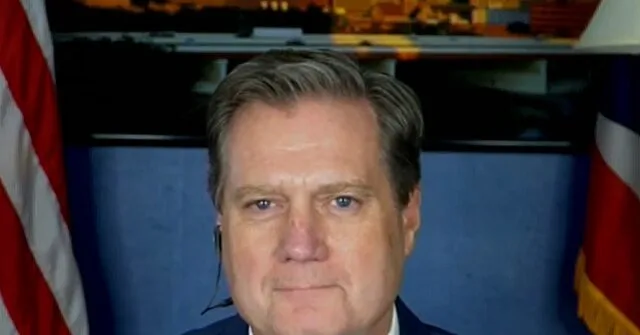
Republican Representative Mike Turner has publicly questioned the adequacy of a memorandum of understanding reached with Iran, arguing that the agreement leaves out two issues he considers critical to any meaningful diplomatic framework: Iran's ballistic missile program and its network of regional terror proxies. His critique signals continued skepticism within the GOP over the Biden-era approach to Iranian diplomacy and raises broader questions about what a durable Iran deal must actually contain.
Turner's concerns reflect a longstanding fault line in U.S. foreign policy debates over Iran. Critics of diplomatic engagement with Tehran have consistently argued that any agreement limited to nuclear parameters is structurally incomplete, because ballistic missiles serve as the primary delivery vehicle for a potential nuclear warhead, and proxy forces extend Iranian coercive power across the Middle East without requiring direct Iranian military action. An MOU that sidesteps both issues, in this view, addresses the symptom while leaving the underlying threat architecture intact.
Read more Why Prioritizing the Planet's Future Matters Now →
The political timing of Turner's remarks matters. With ongoing negotiations over Iran's nuclear trajectory drawing renewed attention, congressional pushback from senior Republican figures — Turner sits on the House Intelligence Committee — carries institutional weight. Lawmakers in oversight roles have the ability to complicate, delay, or constrain any executive-branch agreement that does not receive formal Senate ratification as a treaty, making their public objections more than rhetorical.
The debate over what an Iran agreement must include to be considered credible is unlikely to be resolved quickly. Proponents of engagement argue that a narrow, verifiable agreement is preferable to no agreement at all, while skeptics like Turner maintain that partial deals may actually reduce pressure on Tehran to make deeper concessions. That tension will continue to define how Congress receives any diplomatic progress on the Iran file.
Continue reading at breitbart for the complete reporting from Ian Hanchett.