U.S. Begins Withdrawing PEPFAR Funding From South Africa
Washington has started pulling back a cornerstone HIV/AIDS program from South Africa, raising alarm over public health consequences.
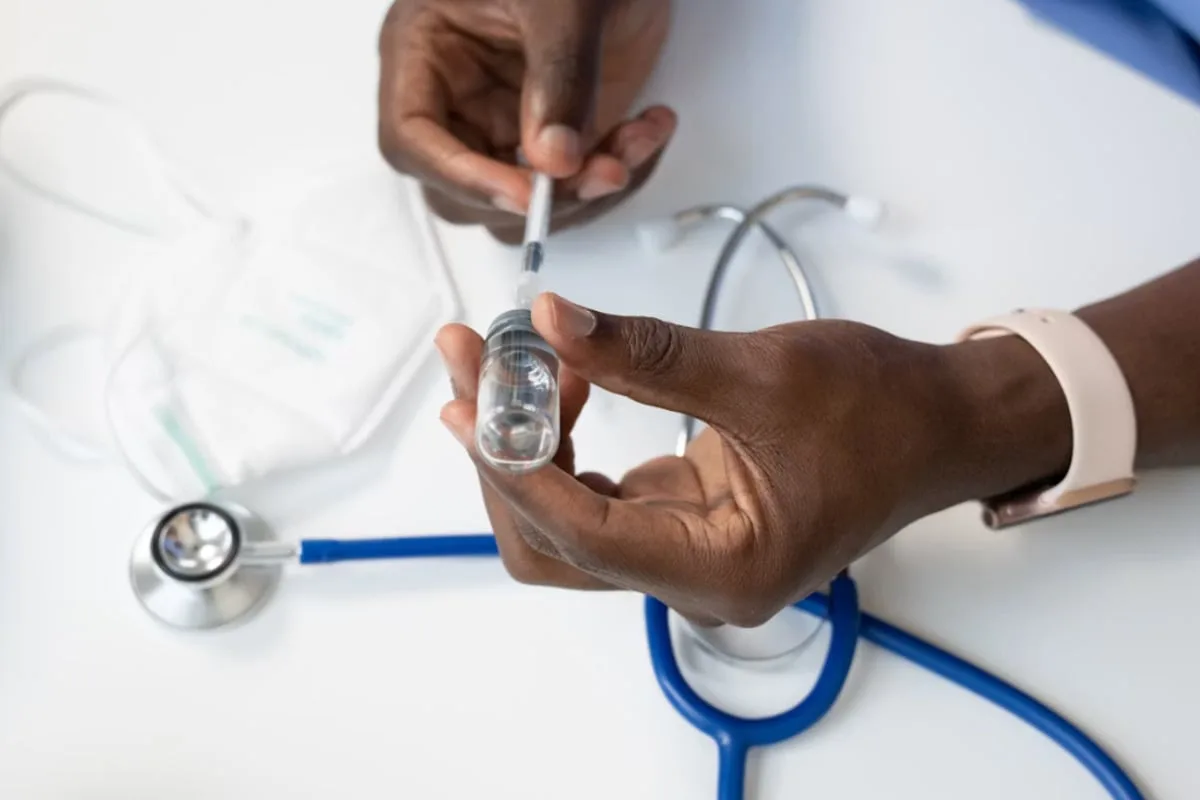
The United States has begun the process of withdrawing PEPFAR support from South Africa, according to a report from Hoodline, marking a significant shift in American global health policy toward one of the world's most HIV-affected nations. PEPFAR — the President's Emergency Plan for AIDS Relief — has for two decades served as a critical lifeline for millions of people living with HIV across sub-Saharan Africa, and South Africa represents one of its largest and most consequential beneficiaries.
The move signals a broader reassessment of U.S. foreign aid commitments, a pattern that analysts have been tracking as Washington recalibrates its international obligations. South Africa carries one of the highest HIV burdens on the planet, with millions of patients dependent on antiretroviral treatment pipelines that PEPFAR funding has helped sustain. Any disruption to that infrastructure carries the potential for cascading public health consequences that could extend well beyond South Africa's borders.
Read more GOP Rep. Turner Raises Concerns Over Iran MOU's Scope →
The strategic and humanitarian implications are difficult to overstate. PEPFAR has historically enjoyed rare bipartisan support in Congress precisely because its measurable outcomes — lives saved, transmission rates reduced — made it a relatively uncontroversial expression of American soft power. A pullback now forces a difficult question: whether the cost savings justify the human and diplomatic toll of withdrawing from a program widely regarded as one of the most effective foreign aid initiatives the U.S. government has ever operated.
For South African health authorities and international partners, the immediate concern is continuity of care. Treatment interruptions for HIV-positive patients can lead to drug resistance, viral rebound, and preventable deaths — outcomes that would undermine decades of hard-won epidemiological progress. How quickly alternative funding mechanisms, whether from domestic South African sources or multilateral institutions, could realistically fill the gap remains an open and urgent question.
Continue reading at hoodline