US Agency Turf War Stalls Trump's Strategic Bitcoin Reserve
Treasury and Commerce departments clash over legal authority to manage the reserve, while Bitcoin climbs despite the uncertainty.
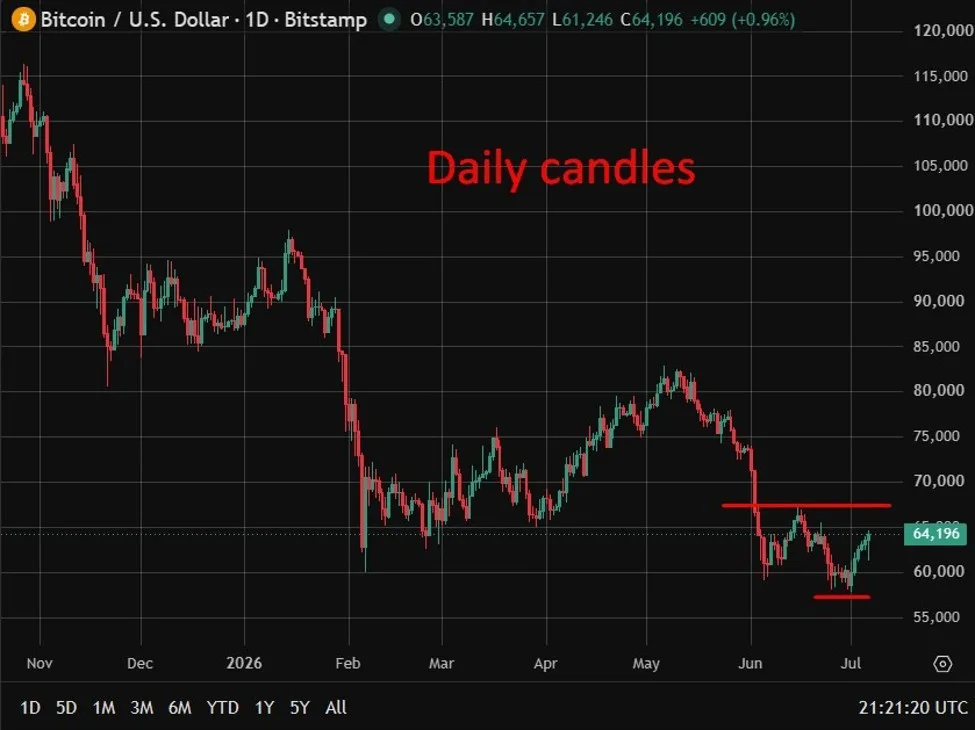
One of the signature promises of President Donald Trump's pro-crypto agenda is running into an unexpected bureaucratic wall. A dispute between the Treasury and Commerce departments over which agency has legal authority to manage a proposed Strategic Bitcoin Reserve is delaying the policy's implementation, even as Bitcoin prices edged higher on Monday — a sign that markets are treating the standoff as a long-term governance puzzle rather than an immediate catalyst.
Trump originally envisioned the reserve sitting inside the Treasury Department, funded by Bitcoin already confiscated through federal asset seizures and potentially supplemented by future government purchases. But concerns emerged about whether Treasury is legally permitted to hold a volatile, indefinitely appreciating — or depreciating — digital asset on its books. That ambiguity opened the door for the Commerce Department to position itself as an alternative home for the reserve. The Justice Department's Office of Legal Counsel is now working with both agencies to map out a legally defensible structure, according to Bloomberg.
Read more UK PM Burnham Signals Willingness to Challenge Trump Directly →
The stakes are not trivial. The federal government currently holds more than $20 billion in Bitcoin spread across various agencies, making Washington one of the largest single Bitcoin holders anywhere in the world. How that stockpile is ultimately managed, and under whose authority, could have meaningful implications for supply dynamics in the broader crypto market. Any formal consolidation and long-term hold policy by the US government would effectively remove a significant block of Bitcoin from potential circulation.
What makes Monday's price movement analytically interesting is its context. Bitcoin rose despite not only the reserve's legal uncertainty but also news that Michael Saylor's Strategy firm sold 3,588 Bitcoin between late June and early July — a high-profile disposal that would typically weigh on sentiment. That Bitcoin absorbed both headwinds suggests the market's near-term momentum is being driven by factors well beyond Washington's internal deliberations. Still, the token remains roughly 50 percent below its October peak, a reminder that structural optimism and current price reality remain some distance apart.
The interagency friction reflects a broader challenge facing the Trump administration's crypto ambitions: translating political commitments into durable legal frameworks is considerably harder than announcing them. Continue reading at Forexlive.