Trump Shifts Tone on Iran Missiles After White House War Framing
President Trump downplayed Iranian missiles as a core threat, contradicting earlier White House messaging that made them central to military justification.
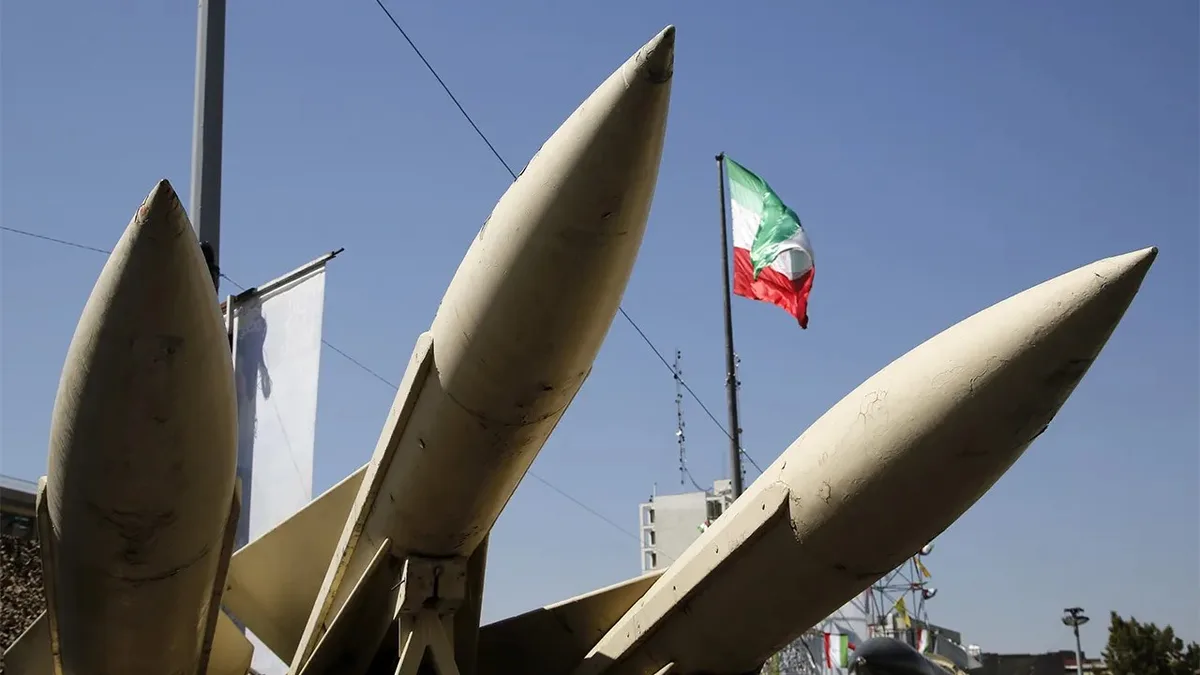
President Donald Trump publicly distanced himself from a key strand of his own administration's rationale for potential military action against Iran, suggesting that Iranian ballistic missiles are not the central problem — a notable departure from language the White House had previously used to build the case for confrontation.
The apparent contradiction highlights a recurring tension in how the Trump administration communicates national security threats: official statements and the president's own off-the-cuff remarks frequently diverge, leaving allies, adversaries, and markets parsing which signals actually reflect policy direction. When a head of state walks back language that his own team had elevated to a near-casus-belli level, the credibility cost is real and measurable.
Read more GOP Rep. Turner Raises Concerns Over Iran MOU's Scope →
For markets and businesses with exposure to Middle East risk — energy companies, defense contractors, and regional trade partners — this kind of rhetorical whiplash creates genuine uncertainty. Oil prices and defense sector equities are particularly sensitive to shifts in perceived conflict probability, and a statement softening the missile threat framing could read as de-escalatory even if no formal policy change has occurred.
The episode also raises analytical questions about internal coherence within the administration's Iran strategy. Whether Trump's comment reflects a genuine recalibration of threat assessment, a negotiating signal to Tehran, or simply an unscripted moment is difficult to determine from public information alone — but each interpretation carries different implications for diplomatic and military planning.
Continue reading at newspub_live for the full reported details behind this developing story.