Trump Replaces Global Tariffs With Legally Fortified 10-12.5% Levies
New duties targeting 60 nations take effect Friday, built on Section 301 authority designed to outlast court challenges that sank earlier tariffs.
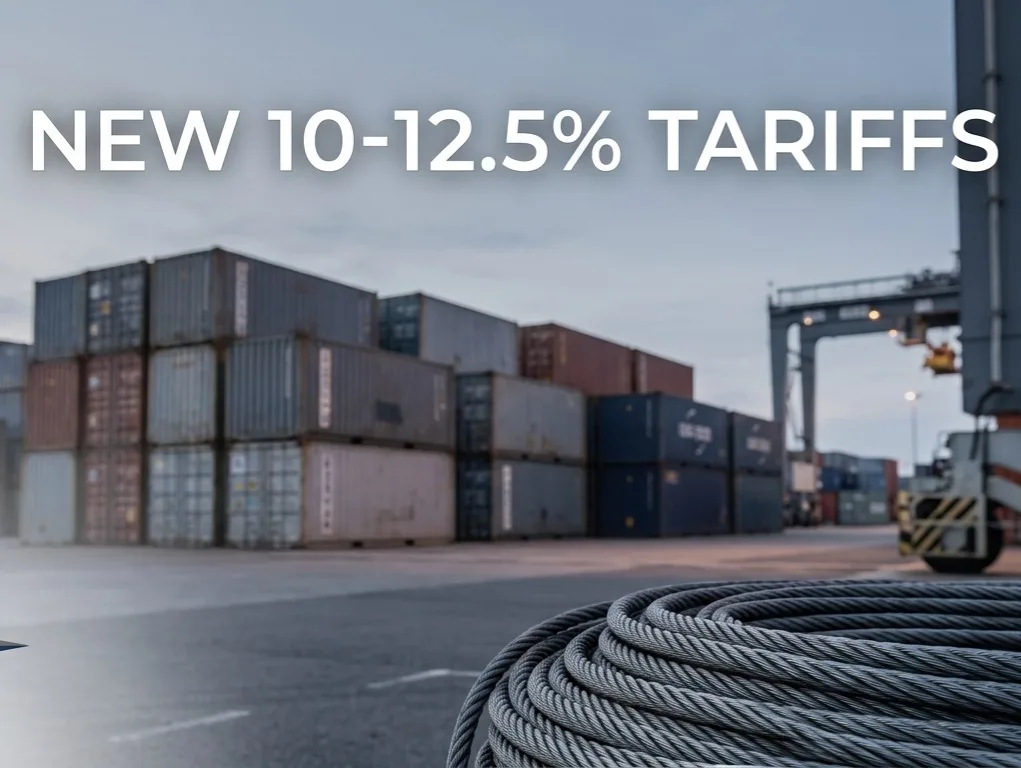
The Trump administration is replacing its expiring temporary global tariff with a new regime of 10 to 12.5 percent duties on 60 trading partners, effective Friday morning, according to the Wall Street Journal. The US Trade Representative's office, led by Jamieson Greer, says these countries collectively account for roughly 99 percent of US trade — making the coverage sweeping even if the headline rates appear modest.
The tiered structure carries a diplomatic message wrapped in a trade-policy mechanism: countries with laws on the books addressing forced labor qualify for the lower 10 percent rate, while those without such statutes face 12.5 percent. That gap creates an incentive for trading partners to enact labor legislation, though the administration has made clear that no country can currently negotiate its way down to zero. Exempt from the new duties are goods already subject to national security tariffs — steel, aluminum, automobiles, and auto parts — along with select agricultural, food, fertilizer, and energy imports.
Read more UK PM Burnham Signals Willingness to Challenge Trump Directly →
The most consequential element of the announcement may have nothing to do with the rates themselves. By anchoring the tariffs in Section 301 of the Trade Act of 1974 rather than the emergency powers the Supreme Court struck down in February, the administration is constructing a legal architecture widely regarded by trade lawyers as far more resilient to judicial review. That earlier court defeat derailed much of Trump's first-wave global tariff program; this redesign is explicitly engineered to avoid a repeat. Section 301 authority, once invoked, allows duties to remain in place indefinitely and to be adjusted unilaterally without the same vulnerability to emergency-power challenges.
For markets and businesses, the immediate price impact of rates close to the expiring 10 percent levy is relatively contained. The more important variable is durability. If the Section 301 foundation holds under legal scrutiny — and trade watchers expect challenges — the administration gains a long-term platform to expand or recalibrate tariffs on a broad swath of the global economy. Analysts note that additional tariff actions flagged for coming months could add meaningfully to costs for importers and, ultimately, consumers. The question investors are now pricing is less about today's numbers and more about whether this legal scaffolding becomes a permanent feature of US trade policy.
Continue reading at Forexlive.