Trump Renews Pressure on Fed Over Interest Rate Policy
President Trump again criticized the Federal Reserve's rate stance, claiming the U.S. is paying far more in interest than it should.
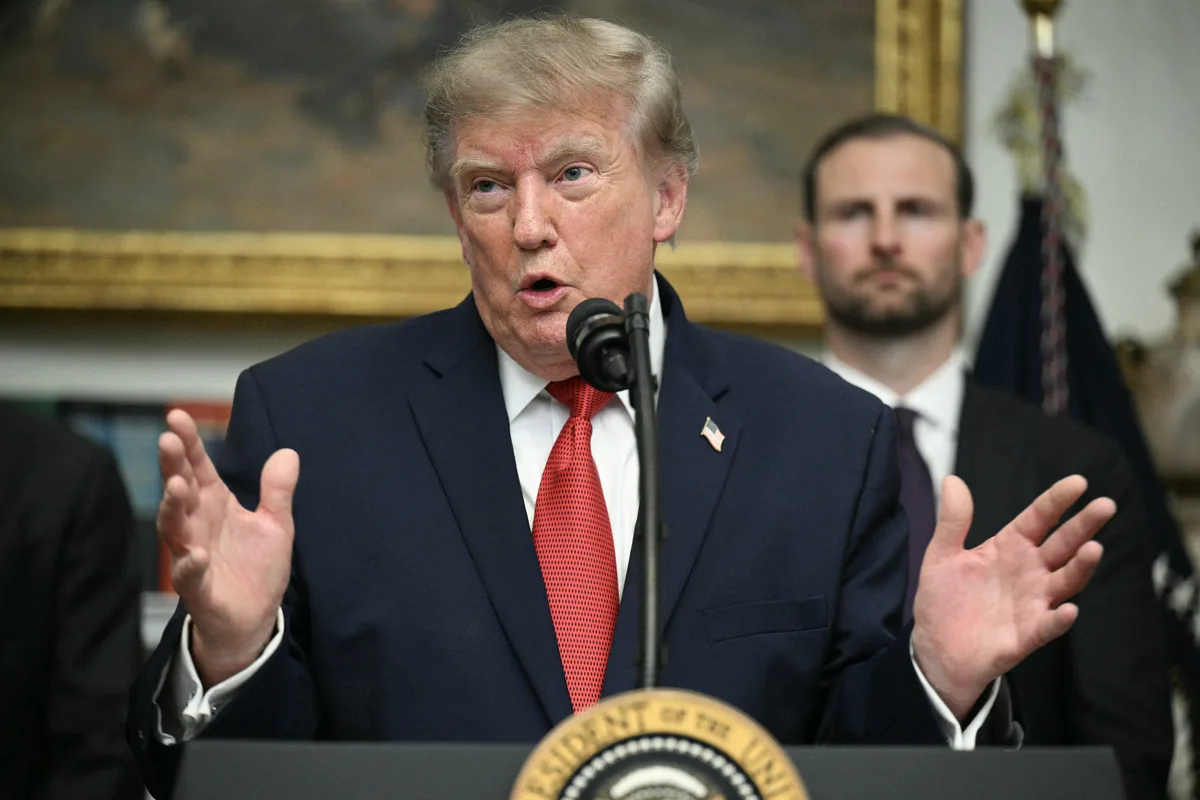
President Donald Trump has once again turned his attention to the Federal Reserve, publicly lamenting what he describes as unnecessarily high interest rates and arguing that the United States should be paying significantly less to borrow. The remarks continue a long-standing pattern in which Trump has used public platforms to voice frustration with the central bank's monetary policy decisions, framing the Fed's posture as a drag on the broader American economy.
Central to Trump's criticism is a familiar allegation: that Fed officials are motivated not purely by economic data, but by political considerations. By casting doubt on the impartiality of the institution, Trump is essentially challenging the foundational premise of central bank independence — a principle that economists across the political spectrum have long viewed as essential to maintaining credible, inflation-fighting monetary policy.
Read more Fed Officials Weighed Further Rate Hikes If Inflation Persists →
The tension between the White House and the Fed is not new territory. Trump's previous term was marked by repeated public attacks on then-Chair Jerome Powell, whom he appointed, after the Fed raised rates during a period of strong economic growth. That dynamic appears to be reasserting itself, raising questions about how sustained executive pressure might influence market confidence in the Fed's autonomy, even if it has no direct legal authority over rate decisions.
What makes these episodes analytically significant is less the specific rate complaint and more what they signal about the broader policy environment. When a sitting president repeatedly and publicly questions whether the central bank's decisions are politically tainted, it introduces a layer of uncertainty into financial markets that can affect borrowing costs, investment decisions, and the dollar's credibility as a reserve currency — outcomes that cut directly against the administration's stated economic goals.
Continue reading at US Top News and Analysis.