Bessent's Treasury Buybacks Ease Bond Pressure, Raise Fed Questions
The Treasury's long-term debt buyback strategy cooled a bond selloff, but economists warn it may complicate Fed independence and inflation management.
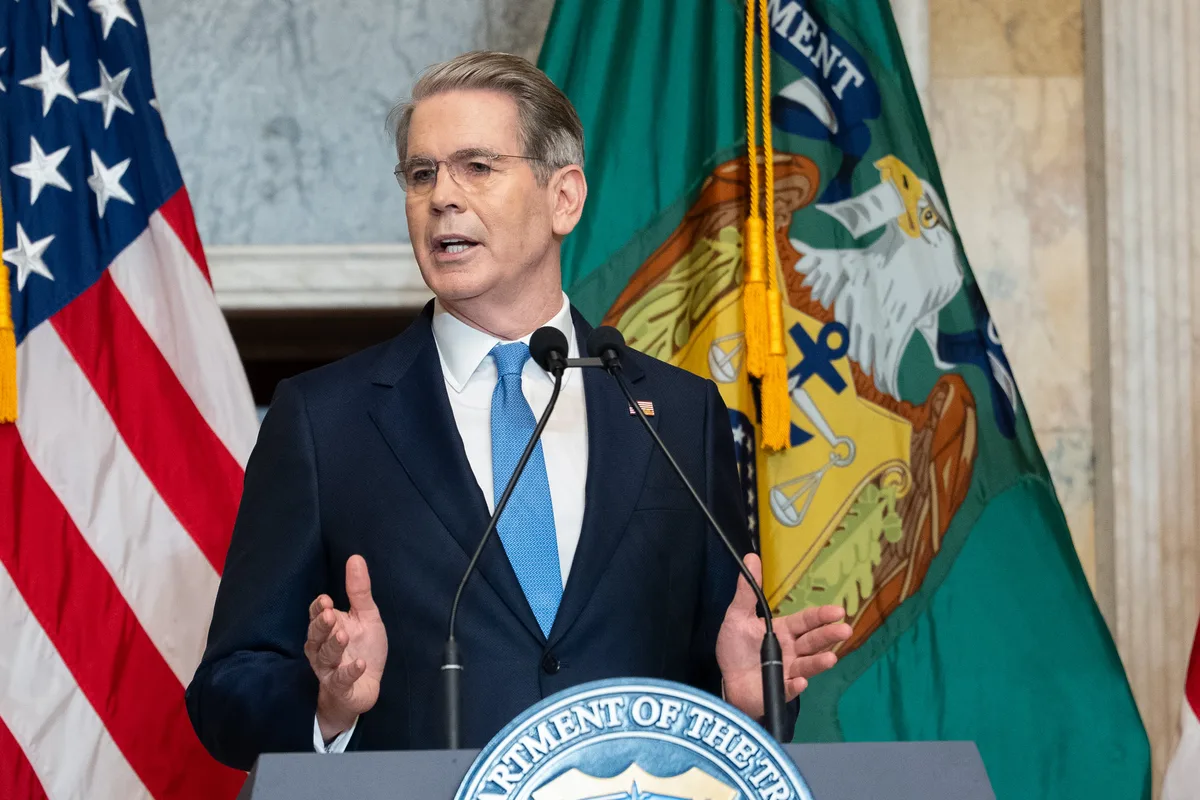
Treasury Secretary Scott Bessent is deploying an aggressive debt buyback strategy aimed at pulling long-term yields lower — a move that provided near-term relief to rattled bond markets but is drawing scrutiny from economists who see potential conflicts with the Federal Reserve's inflation-fighting mandate. By increasing purchases of long-dated Treasuries, the government effectively injects demand into a segment of the market that had been selling off sharply, moderating the upward pressure on yields that had alarmed investors and policymakers alike.
The intervention carries a dual-edged significance. On one hand, lower long-term yields can ease borrowing costs for households and businesses, providing a soft cushion for an economy navigating elevated interest rates. On the other hand, when the executive branch actively works to suppress yields — the same yields the Fed relies on as a barometer of financial conditions — it raises pointed questions about whether fiscal policy is encroaching on monetary policy territory.
Read more Fed Officials Weighed Further Rate Hikes If Inflation Persists →
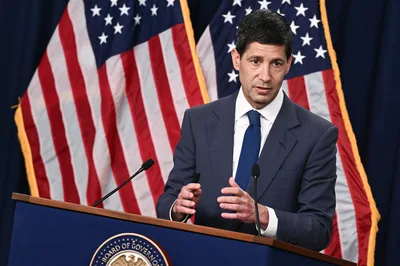
Those questions land with particular force given the position of Kevin Warsh, widely regarded as a leading candidate to eventually lead the Federal Reserve. A Treasury strategy that pre-empts or constrains the Fed's signaling capacity could complicate any incoming chair's ability to assert institutional credibility, especially at a moment when inflation expectations remain delicate. Economists warn that if markets interpret buybacks as yield suppression rather than routine debt management, it could stoke longer-run inflation concerns by undermining confidence in the Fed's autonomy.
The episode illustrates a broader tension in Washington's current economic posture: the administration wants lower rates to reduce deficit financing costs and stimulate growth, while the Fed has maintained that its rate path must remain data-driven and independent of political pressure. Bessent's buyback maneuver, however well-calibrated in a technical sense, blurs that line in ways that the bond market — and future Fed leadership — will be watching closely.
Continue reading at US Top News and Analysis.