Trump Praises Walmart as 'Patriotic' After Beef Price Cuts
President Trump lauded Walmart for reducing beef prices, a notable shift from his earlier criticism of the retailer over its tariff response.

President Trump is now calling Walmart 'patriotic' following the retail giant's decision to cut beef prices — a striking reversal from the friction that defined their relationship just months ago. The about-face underscores how quickly the political calculus around consumer prices can shift, particularly as the administration faces mounting pressure over the cost-of-living impact of its trade policies.
The timing is telling. Trump had previously taken aim at Walmart when the company signaled it would pass tariff-related cost increases on to shoppers, a move the president publicly criticized. That earlier tension reflected a broader pattern: large retailers caught between absorbing higher import costs and maintaining consumer goodwill found themselves in the political crossfire of the tariff debate.
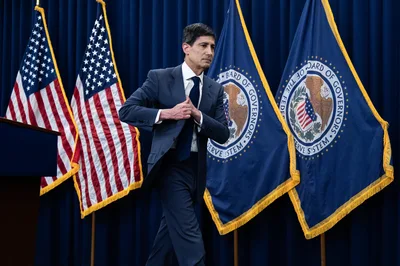
Read more Fed Expected to Hold Rates Steady: What It Means for You →
Now, with Walmart moving to lower beef prices, the White House is eager to claim the development as a win — framing a corporate pricing decision as an act of national solidarity. The 'patriotic' label is doing significant rhetorical work here, suggesting that companies aligning their pricing with the administration's economic messaging will earn political favor, while those that don't may face renewed public pressure.
What this episode reveals is less about Walmart's pricing strategy and more about how the Trump administration is managing the optics of inflation and tariff fallout heading into a politically sensitive economic climate. Praising a retailer for cutting one category of prices, while broader tariff-driven cost pressures persist, risks looking like a selective victory lap rather than evidence of systemic relief for consumers.
The whiplash in tone — from criticism to praise — also illustrates how transactional the relationship between this administration and major corporations can be, hinging less on ideological consistency than on whether a company's actions serve the political moment. Continue reading at MarketWatch.com