Trump Decries Supreme Court Mail-In Ballot Ruling as a Loss
The Supreme Court upheld Mississippi's absentee ballot rules, with Trump-nominee Justice Barrett rejecting federal preemption arguments.
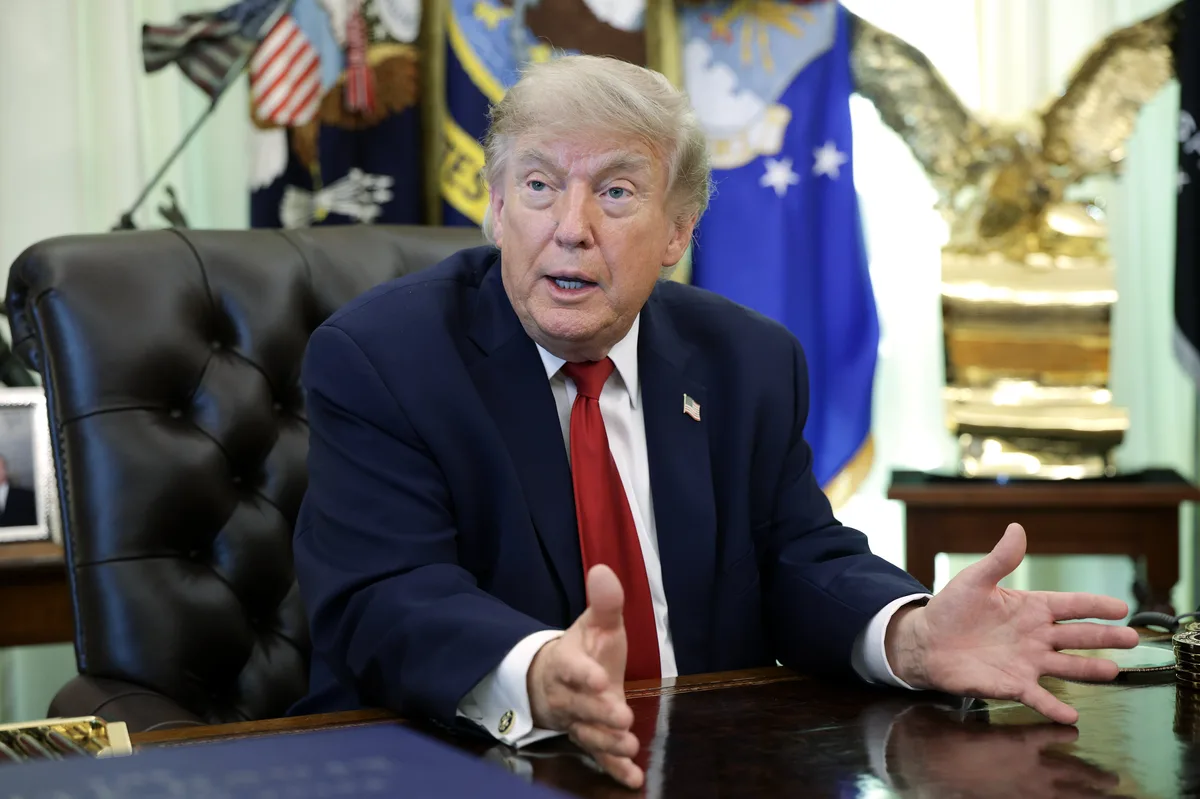
President Donald Trump publicly criticized a recent Supreme Court decision he called a "tremendous loss," after the high court declined to strike down Mississippi's policy allowing late-arriving absentee ballots to be counted under certain conditions. The ruling was a setback for those who argued that federal election law should override the state's permissive approach to mail-in voting deadlines.
The decision's most notable dimension was the role of Justice Amy Coney Barrett, whom Trump himself nominated to the Court in 2020. Barrett sided against arguments that federal statutes preempt Mississippi's absentee ballot framework — a stance that underscores how Supreme Court justices, once confirmed, operate independently of the presidents who appointed them, a dynamic that has frustrated administrations of both parties.
Read more Supreme Court Lets Presidents Fire Independent Regulators →
Rather than accepting the outcome, Trump used the ruling as an opportunity to double down on his longstanding push for stricter voting requirements, renewing his call for voter identification legislation. His response reflects a broader political strategy: channeling electoral grievances into legislative momentum, particularly on an issue — voter ID — that resonates strongly with his base even when court avenues close.
The episode highlights an enduring tension in American election law between federal uniformity and state autonomy. States retain considerable authority to set their own ballot-handling procedures, and courts have repeatedly been reluctant to impose sweeping federal standards over those local rules. Mississippi's latitude to accept late absentee ballots, upheld by the Court, is one example of how varied and consequential those state-level choices can be.
For voting rights advocates and election law observers, the ruling cuts in complex directions — affirming state flexibility in a way that could benefit or burden different groups of voters depending on the context. Continue reading at US Top News and Analysis.