Supreme Court Lets Presidents Fire Independent Regulators
A landmark ruling overturns 'Humphrey's Executor,' giving presidents broad authority to remove FTC commissioners and similar officials.
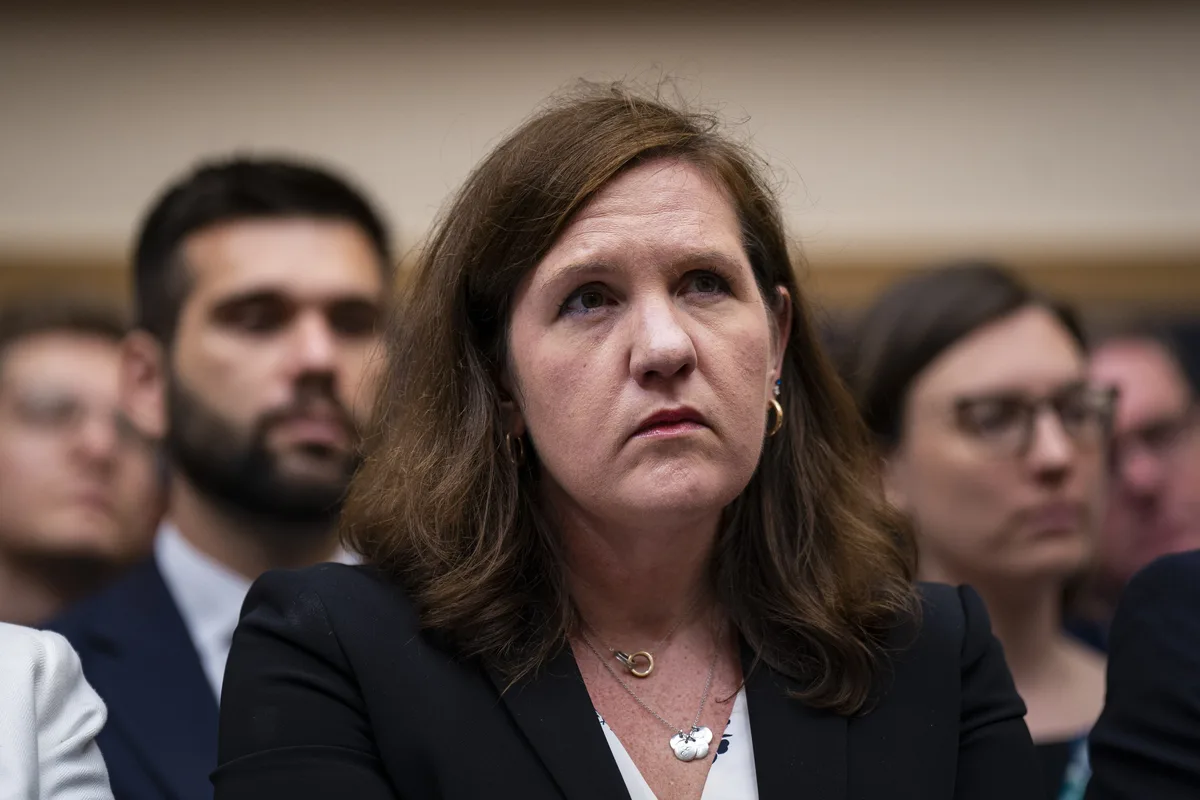
The Supreme Court has handed the executive branch a sweeping expansion of power, ruling that presidents may fire commissioners at independent regulatory agencies — a decision that directly benefits President Donald Trump in his dispute with Federal Trade Commission Commissioner Rebecca Slaughter. The ruling dismantles a foundational constraint on presidential authority that had shaped the administrative state for nearly a century.
At the heart of the case is a precedent known as "Humphrey's Executor," a 1935 Supreme Court decision that established Congress's ability to shield officials at independent agencies from at-will presidential removal. That protection was designed to insulate expert regulators from political pressure, allowing bodies like the FTC to operate with a degree of independence from whoever occupied the White House. Today's ruling effectively reverses that logic, recentering removal authority in the Oval Office.
Read more Iran's Cyberattacks on Israel Surged in 2026, Officials Say →
The implications reach well beyond the FTC. Independent agencies — including the Federal Reserve's board of governors, the Securities and Exchange Commission, and the National Labor Relations Board — have long operated under the assumption that their leadership enjoyed some statutory job security. This ruling places that assumption in serious doubt and could reshape how those institutions function, negotiate, and are staffed going forward.
For the Trump administration, the decision is a significant legal victory that aligns with its broader project of consolidating executive authority over the federal bureaucracy. Commissioner Slaughter, a Democrat appointed during a prior administration, had challenged her removal as unlawful under existing precedent. The Court's ruling forecloses that argument, affirming that the president's power to remove executive-branch officials is broader than post-New Deal doctrine had allowed.
The ruling is likely to provoke intense legislative and legal scrutiny over how independent agencies are structured and whether Congress can erect any meaningful barriers to presidential control over their leadership. Continue reading at US Top News and Analysis.