Trump Administration Refunds $100 Billion in Liberation Day Tariffs
The White House moves to rebuild its tariff regime under alternative legal authorities after court challenges threatened the original IEEPA framework.
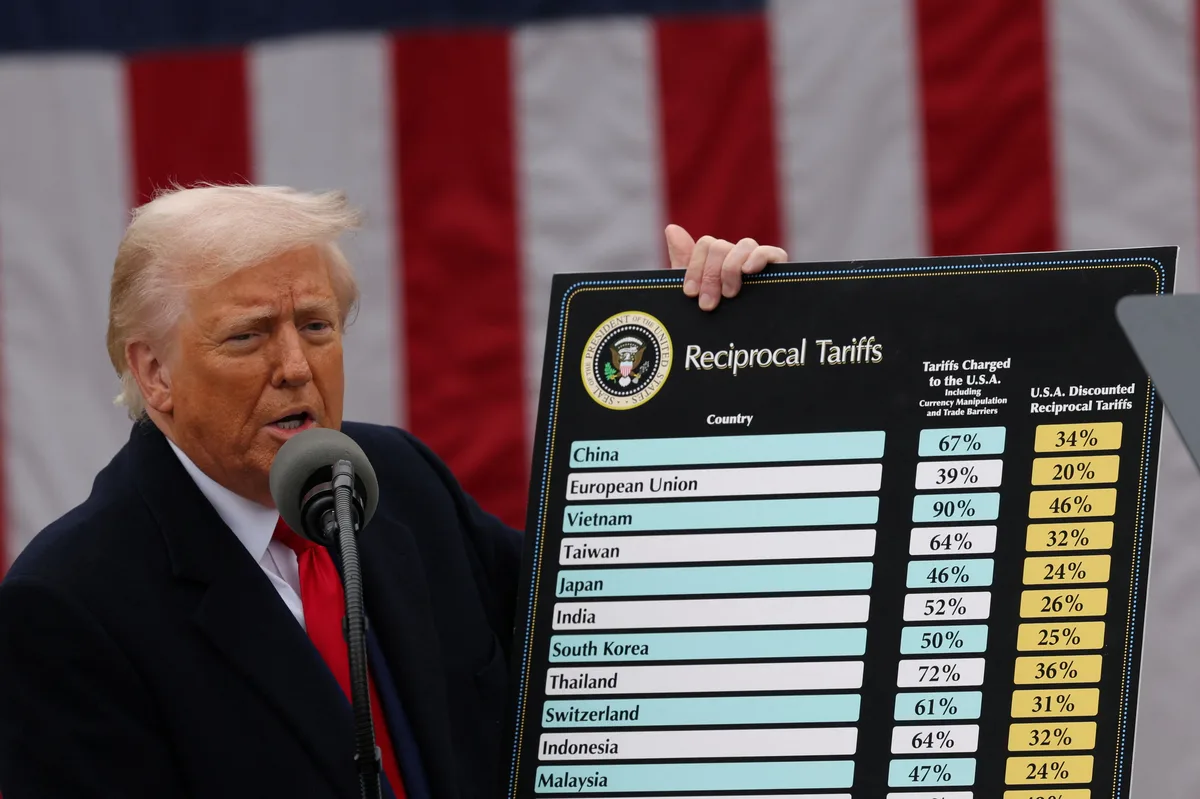
The Trump administration has begun refunding approximately $100 billion in tariffs collected under its so-called "Liberation Day" framework, a sweeping set of levies that were imposed invoking the International Emergency Economic Powers Act. The move signals a significant legal and policy pivot as the White House confronts mounting judicial pressure on the original tariff structure.
Rather than abandon its broader protectionist agenda, the administration appears to be engineering a workaround — reconstructing a functionally similar tariff regime by drawing on alternative statutory authorities. The strategy reflects a pattern familiar to close observers of executive trade policy: when one legal pathway is blocked or threatened, the executive branch pivots to another, often obscure, authority to achieve comparable economic ends.
Read more Warren Presses Commerce Dept. on AI Chip Policy After Trump Crypto Deal →
The refunds themselves carry both symbolic and practical weight. Returning $100 billion to importers — many of them American businesses — could provide short-term relief to supply chains strained by the original levies, while simultaneously acknowledging, at least implicitly, that the legal foundation for those charges was on uncertain ground. It also sets up a complex accounting situation for companies that had already priced the tariffs into their cost structures.
The reconstituted tariff framework is not without its own vulnerabilities. Legal challengers are already targeting the new approach in court, suggesting that the administration's ability to sustain its trade war architecture through executive action alone will face continued scrutiny from the judiciary. How those cases resolve could fundamentally reshape the boundaries of presidential authority over international trade for years to come.
The broader picture is one of institutional tension between an executive branch determined to use tariffs as both an economic and geopolitical lever and a legal system that has yet to fully define the limits of that power. Continue reading at US Top News and Analysis.