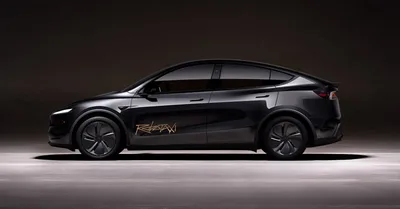
Slate Auto Claims Its $24,950 EV Truck Will Be Profitable From Day One
EV startup Slate Auto says each vehicle will generate positive gross margin, with the company targeting positive cash flow next year.

In a crowded and capital-intensive electric vehicle market where profitability has eluded even well-funded players for years, Slate Auto is making a bold early claim: every truck it manufactures will be gross margin positive from the start. CEO Peter Faricy made that assertion directly to CNBC, signaling a financial discipline that many EV startups have historically struggled to maintain during their launch phases.
The company's flagship offering is priced at $24,950, positioning it as one of the more affordable electric trucks on the market. That price point is strategically significant — it targets a segment of buyers who have largely been priced out of the EV transition, which has skewed toward premium vehicles. If Slate can genuinely sustain positive gross margins at that price, it would represent a meaningful departure from the loss-per-vehicle dynamics that plagued early EV manufacturers.
Read more Uber Bets $500M on Robotaxis as Waymo and Tesla Clash →
Faricy's target of achieving positive cash flow by next year adds another layer of ambition to the startup's roadmap. Cash flow positivity is a more demanding benchmark than gross margin alone, as it accounts for operating expenses, capital expenditures, and overhead — costs that tend to balloon for young automakers scaling production. Hitting that milestone would place Slate in rare company among EV startups.
The broader context here matters: legacy automakers and well-capitalized EV pure-plays alike have grappled with the economics of affordable electric vehicles, often finding that lower price points compress margins to unsustainable levels. Slate's claim, if validated in production, could offer a new proof point that mass-market EV economics are finally becoming workable — though investors and analysts will be watching closely to see whether those projections hold as the company moves from concept to scale.
Continue reading at US Top News and Analysis