Uber Bets $500M on Robotaxis as Waymo and Tesla Clash
Uber is deploying half a billion dollars to secure autonomous vehicle partnerships while Waymo and Tesla race for robotaxi dominance.
The robotaxi war has a surprising frontrunner in terms of spending: Uber, a company that manufactures no vehicles whatsoever. While Tesla and Waymo command the loudest headlines in the autonomous vehicle space, Uber has been quietly committing roughly $500 million to lock in partnerships with self-driving operators before the market consolidates around a handful of winners. The strategy reflects a calculated bet that the platform layer — connecting riders to fleets — may ultimately prove more lucrative than the hardware itself.
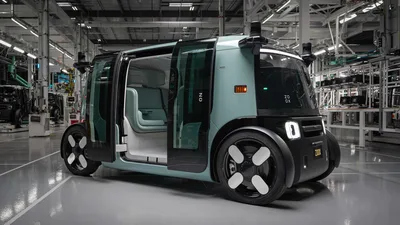
Waymo, Alphabet's autonomous driving unit, has emerged as the most operationally advanced player, running fully driverless commercial services in multiple U.S. cities. That progress puts direct pressure on Uber, which once had its own self-driving program before selling it off. Rather than rebuild that capability, Uber is doubling down on its role as a demand aggregator, essentially paying to ensure that whatever fleet wins the technology race will distribute rides through Uber's app.
Read more Qualcomm Buys Movella for $3.9B to Expand AI Infrastructure →
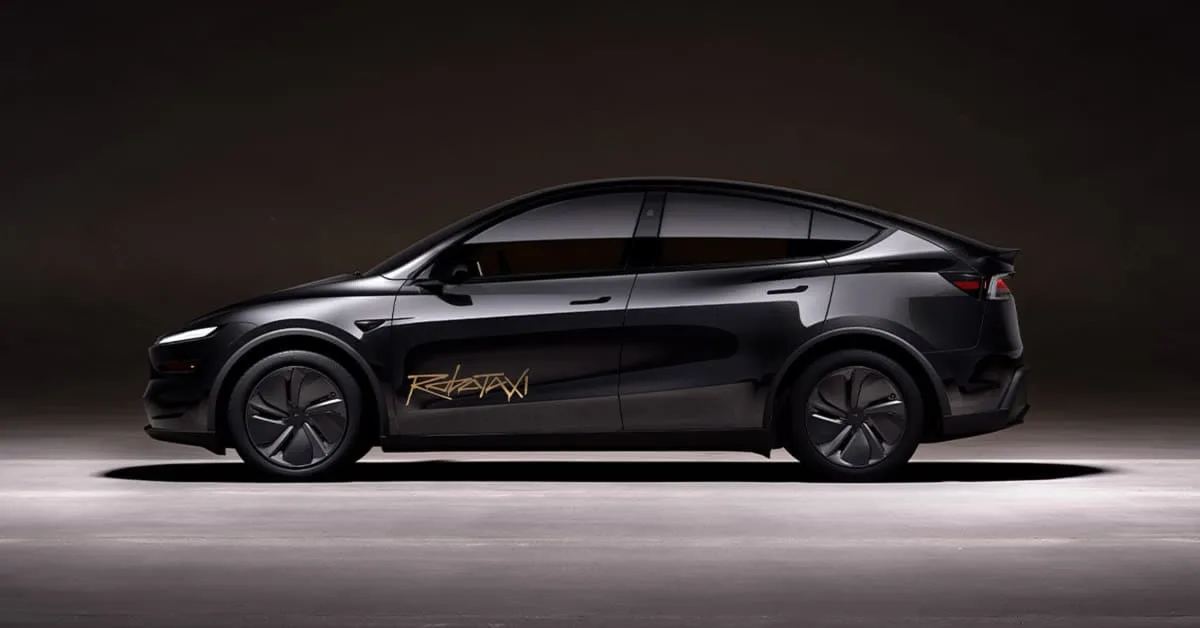
Tesla, meanwhile, is pursuing a fundamentally different model — one rooted in its massive existing vehicle base and its proprietary full self-driving software. CEO Elon Musk has long envisioned Tesla owners contributing their cars to a company-run robotaxi network, a vision that remains aspirational but carries enormous scale potential if realized. The contrast with Waymo's dedicated fleet approach represents one of the central strategic debates in the industry.
What makes Uber's position analytically interesting is the asymmetry of its risk. By not building cars, it avoids the capital-intensive burden of hardware development, yet it must continually pay to stay relevant as autonomous operators gain leverage. The $500 million figure signals that Uber's leadership understands the existential threat Waymo's independence poses — a Waymo that launches its own consumer-facing app at scale could render Uber's platform redundant in the autonomous era.
The robotaxi race is as much about distribution and data as it is about engineering. Uber is wagering that owning the customer relationship is worth half a billion dollars — and perhaps much more to come. Continue reading at MarketWatch.com