NZ Business Confidence Rebounds, but Cost Pressures Complicate RBNZ
New Zealand's Q2 business confidence rose to net 8%, but a surge in cost pressures and a misleading survey window cloud the central bank's path.
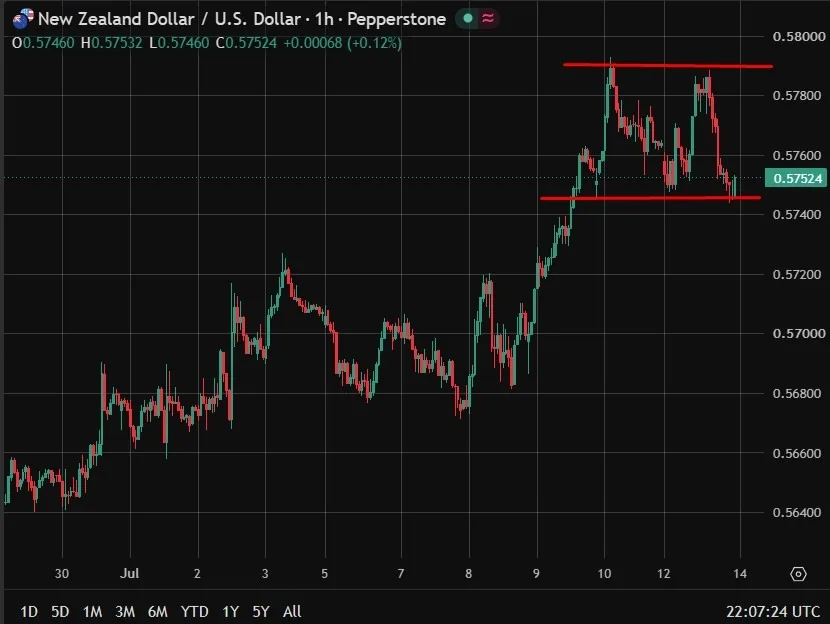
New Zealand's latest business confidence data presents a classic case of a headline that flatters to deceive. NZIER's Q2 Quarterly Survey of Business Opinion showed confidence recovering to a net positive 8%, reversing the net negative 4% reading from the March quarter. A net 12% of firms now expect general economic conditions to improve in the months ahead, up sharply from just 1% previously. On the surface, it looks like a meaningful turning point — but the details tell a more complicated story.
The survey's timing is central to understanding its limitations. The questionnaire ran from June 10 to July 7, a window that happened to coincide almost perfectly with a 60-day US-Iran agreement guaranteeing safe passage through the Strait of Hormuz. That deal briefly deflated the fuel price spike linked to the conflict, creating a pocket of artificial calm that respondents were measuring against. Since the survey closed, geopolitical tensions have re-escalated and fuel prices have surged again, rendering the confidence rebound a snapshot of a moment that has already passed.
Read more Fed Expected to Hold Rates Steady: What It Means for You →
What will concern the Reserve Bank of New Zealand far more than the sentiment headline is the sharp deterioration in cost conditions. The share of firms reporting higher costs jumped from a net 37% to over half of all respondents — a significant and rapid move. Compounding that, a net 41% of firms said they were raising prices to pass those costs along to customers. That combination of rising input costs and expanding pricing intentions points squarely toward persistent inflationary pressure, even as capacity utilisation edged slightly lower to 90.8% from 91.2% the prior quarter.
The labor and investment picture adds further nuance. A net 10% of firms cut staff during the quarter, and a net 3% plan to reduce investment in buildings, plant, and machinery over the coming year — a cautious posture that the RBNZ would normally associate with easing conditions. But with inflation signals moving in the opposite direction and the upcoming general election injecting additional uncertainty, policymakers face a contradictory dataset. Softer real-economy activity alongside firmer pricing intentions is precisely the kind of stagflationary mix that makes rate decisions harder, not easier, to calibrate. The survey gives the central bank little additional cover for near-term easing.
Continue reading at Forexlive.