Netflix Prices Rose 29% in a Year — Should Washington Step In?
Netflix bills have surged 29% in just over a year, drawing scrutiny from regulators and reigniting debate over streaming market power.
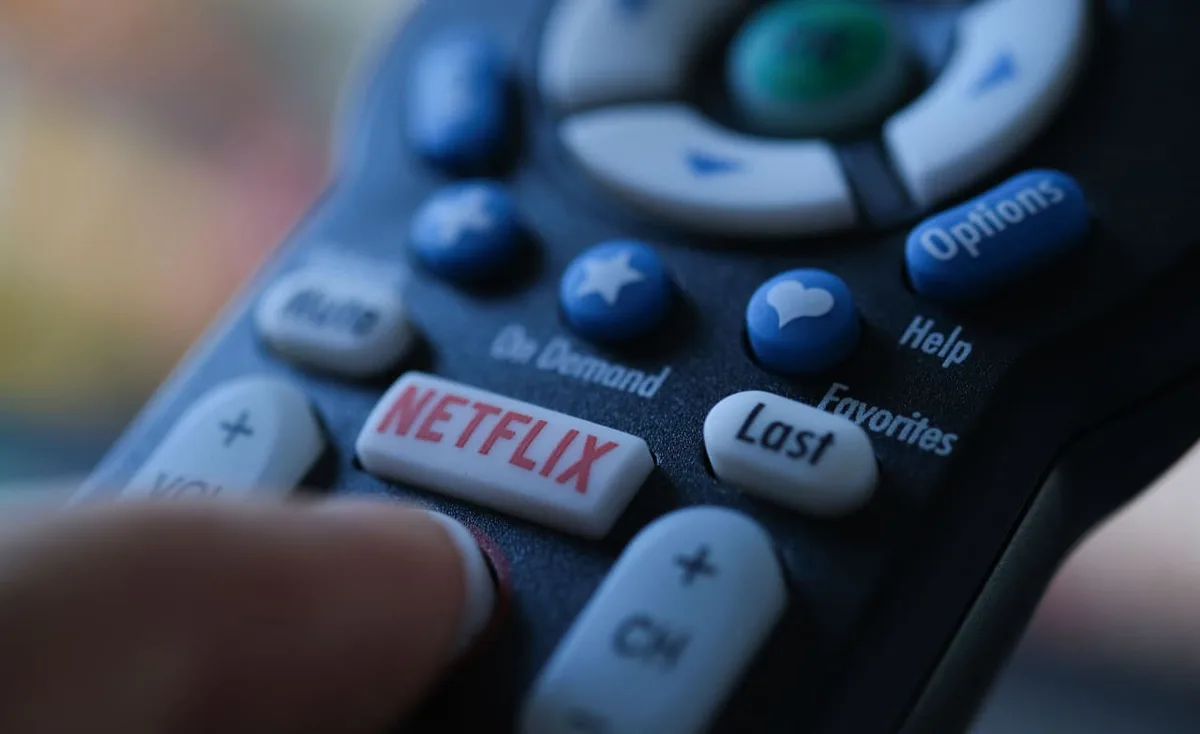
Netflix remains a darling of Wall Street, posting strong subscriber numbers and commanding premium valuations even as the broader tech sector faces turbulence. Yet that financial success is increasingly coming at a direct cost to consumers, with monthly subscription prices climbing roughly 29% in just over a year — a pace that critics argue far outstrips inflation and squeezes household budgets already under pressure.
The price escalation has drawn the attention of government regulators and consumer advocates who argue that Netflix's dominant position in the streaming landscape gives it unusual pricing power with few meaningful alternatives. When a single platform commands the cultural footprint that Netflix does — from prestige television to blockbuster films — the traditional logic of consumer choice becomes murkier, critics contend.
Read more UK PM Burnham Signals Willingness to Challenge Trump Directly →
The debate reflects a broader tension playing out across the digital economy: platforms that grow large enough to become near-essential infrastructure begin to operate in a gray zone between competitive market and utility. Whether Washington has the appetite, tools, or legal authority to meaningfully intervene in streaming pricing remains an open and contested question among antitrust scholars and policy analysts.
For now, Netflix appears insulated from any immediate regulatory action, and Wall Street continues to reward its ability to extract more revenue per subscriber. But the 29% price increase in such a compressed window may prove to be the kind of concrete, consumer-facing data point that keeps regulators and lawmakers engaged — particularly as cost-of-living concerns dominate the political conversation heading into a national election cycle.
Continue reading at MarketWatch.com