Main Street Sports Sues Comcast and Charter Over RSN Fees
Main Street Sports is taking two cable giants to court, alleging underpaid licensing fees as it winds down its regional sports network portfolio.
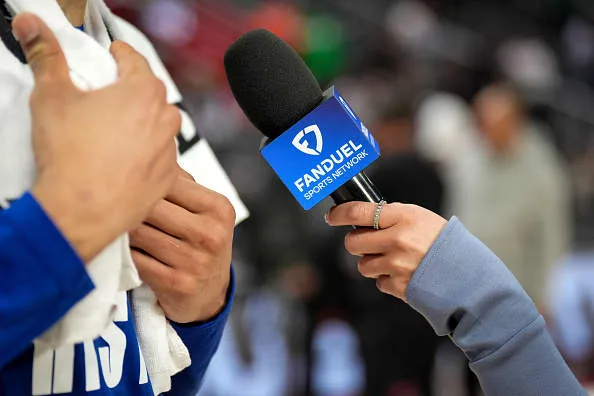
Main Street Sports has filed suit against Comcast and Charter Communications, alleging that the two cable industry titans failed to pay the full licensing fees owed for carrying its regional sports networks (RSNs). The lawsuit arrives at a particularly fraught moment for the company, which has been in the process of winding down its RSN portfolio following the conclusion of the NHL and NBA seasons earlier this year.
The litigation underscores the deepening dysfunction at the intersection of legacy pay-TV and live sports rights. Regional sports networks — once among the most lucrative assets in cable television — have faced an existential reckoning as cord-cutting accelerates and distributors grow increasingly reluctant to absorb the steep carriage fees that RSNs have historically commanded. For Main Street Sports, the timing of the suit suggests the company is moving aggressively to recover revenue as it exits the business.
Read more AstraZeneca's $1.5B Lung Cancer Bet on Zegfrovy Explained →
Comcast and Charter together represent two of the largest pay-TV distributors in the United States, giving them enormous leverage in carriage negotiations. If Main Street's allegations hold, the case could illuminate how distributors have managed — or manipulated — fee obligations during a period of industry contraction, when the threat of a network going dark reduces a distributor's incentive to settle disputes quickly or generously.
The outcome of this lawsuit could carry broader implications for the already-fragile RSN ecosystem. Other regional sports network operators and sports leagues watching the case will be keen to understand what legal recourse exists when a cable partner allegedly withholds contractually owed payments. For now, the suit places Main Street Sports in the unusual position of fighting for compensation while simultaneously shutting down the very business at the center of the dispute.
Continue reading at US Top News and Analysis