Gas Turbine Shortage Emerges as a Key Bottleneck for AI Growth
The infrastructure powering AI data centers faces a critical hardware constraint: a global shortage of gas turbines needed to generate reliable electricity.
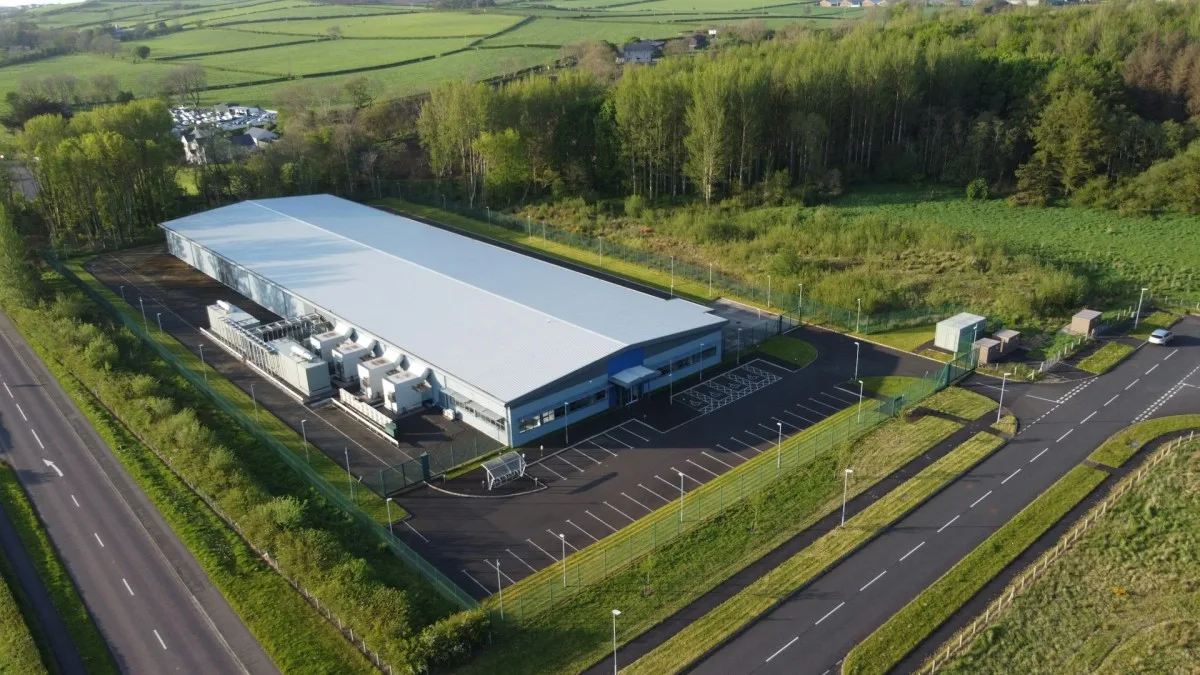
The artificial intelligence boom has prompted an extraordinary surge in demand for electricity, and that demand is now colliding with a supply chain reality that few in the tech industry anticipated: the world simply cannot manufacture gas turbines fast enough. Power-hungry data centers, which serve as the physical backbone of large language models and cloud computing infrastructure, require stable, on-demand electricity generation — and gas turbines remain one of the most reliable ways to deliver it at scale.
Gas turbines are complex, precision-engineered machines that take years to design, order, and deliver. Unlike software, which can be scaled almost instantly, turbine manufacturing is constrained by specialized labor, exotic materials, and factories that cannot simply be stood up overnight. The lead times for new turbine orders have stretched dramatically, creating a queue that energy developers and data center operators are scrambling to navigate. This bottleneck is arguably more intractable than the chip shortages that dominated headlines during the pandemic era.
Read more Paramount and California AG Eye Settlement Talks Over WBD Deal →
The strategic implication is significant: companies racing to build AI capacity cannot simply outspend the problem. Even the most capital-rich hyperscalers — firms with balance sheets measured in the hundreds of billions — are subject to the same physical manufacturing constraints as everyone else. That levels a playing field that has, until recently, tilted sharply toward whoever could deploy capital fastest. In energy infrastructure, money alone cannot compress time.
This dynamic is beginning to reshape how the industry thinks about AI expansion timelines. Utilities, grid operators, and independent power producers are suddenly central characters in a story that was previously dominated by chip designers and cloud architects. The energy infrastructure sector, long considered a slow-moving backwater relative to Silicon Valley's pace, now holds genuine leverage over how quickly the next generation of AI systems can be deployed and scaled.
For investors and policymakers alike, the gas turbine shortage is a reminder that technological revolutions are ultimately physical, not abstract — constrained by steel, supply chains, and the unglamorous realities of industrial capacity. Continue reading at Yahoo Finance.