June Import Prices Rise 0.3%, Defying Forecasts of a Drop
US import prices climbed 0.3% in June against expectations of a 0.7% decline, while the year-over-year gain hit its highest level since August 2022.
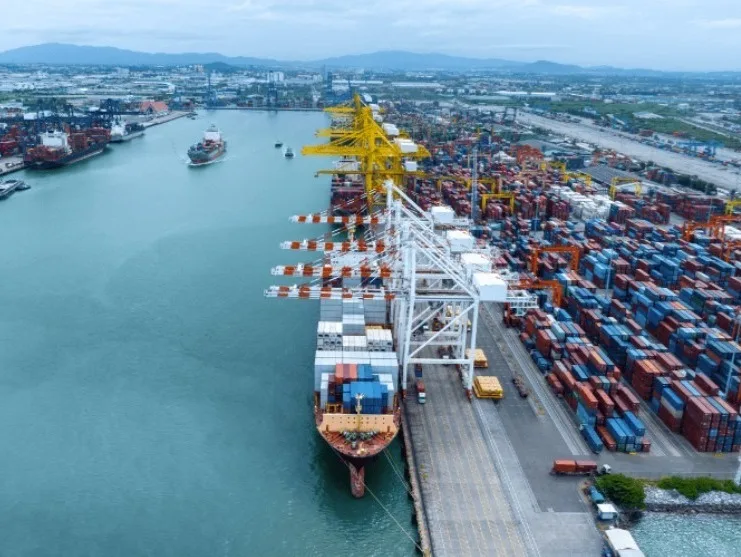
A closely watched inflation gauge delivered an unwelcome surprise Friday: US import prices rose 0.3% in June, sharply reversing Wall Street's consensus forecast of a 0.7% decline. The result reinforces a pattern that has frustrated Federal Reserve officials and market participants alike — price pressures continue to surface in corners of the economy where relief seemed imminent.
The year-over-year figure is the more striking number. Import prices are now 7.1% higher than they were twelve months ago, the steepest annual gain since August 2022, a period when the Fed was still in the early, aggressive phase of its rate-hiking campaign. That comparison alone signals that the pipeline of imported inflation has not cooled as meaningfully as policymakers might have hoped.
Read more Fed Expected to Hold Rates Steady: What It Means for You →
The report stands in tension with recent CPI and PPI readings, which offered at least partial encouragement on the domestic inflation front. Import price data captures costs before they fully filter through the supply chain, meaning today's uptick could translate into renewed pressure on consumer and producer prices in the months ahead — a dynamic worth watching carefully as the Fed weighs the timing of any rate cuts.
On the export side, prices fell 0.6%, slightly worse than the expected 0.4% drop, following a downwardly revised 1.2% gain in the prior month. Meanwhile, oil markets offered little comfort to inflation doves: Brent crude was trading near $86.20 and WTI around $81 at the time of the release, keeping energy costs elevated and adding to the broader inflationary backdrop that this data reflects.
Taken together, the June trade price figures complicate the narrative that inflation is decisively under control. For a Fed that has signaled patience, reports like this one provide additional justification for holding rates higher for longer. Continue reading at Forexlive.