Iran Launches Six-Day State Funeral for Ayatollah Khamenei
Iran has begun an elaborate six-day funeral for Supreme Leader Ayatollah Ali Khamenei, with ceremonies planned across Iran and Iraq before burial in Mashhad.
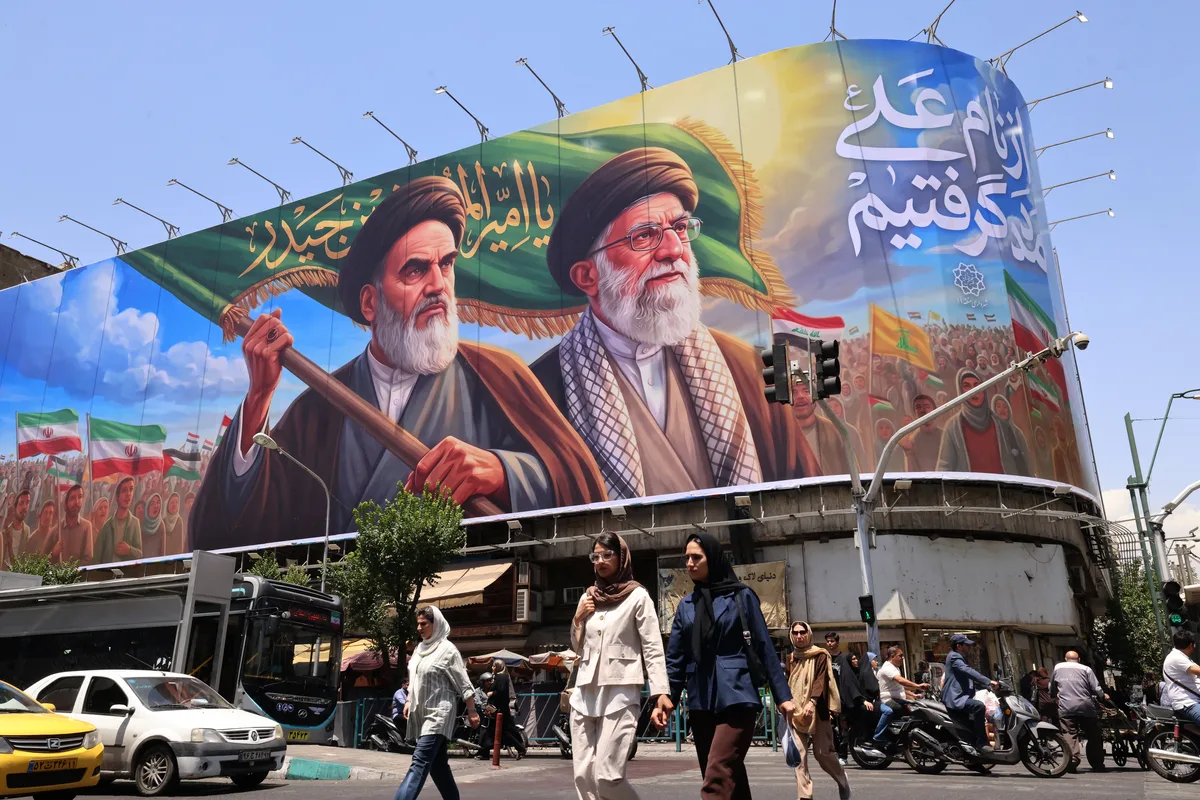
Iran has launched an expansive six-day funeral program for Ayatollah Ali Khamenei, the Supreme Leader whose death marked the end of a decades-long grip on political and religious authority in the Islamic Republic. The scale of the mourning ceremonies — spanning multiple cities across Iran and extending into neighboring Iraq before culminating in a burial in the holy city of Mashhad — underscores the symbolic weight the clerical establishment is placing on this moment of transition.
The choice of Mashhad as the burial site carries deep theological significance. The city is home to the shrine of Imam Reza, one of Shia Islam's most revered figures, and selecting it as Khamenei's final resting place positions the late Supreme Leader within a lineage of sacred Shia memory. Extending ceremonies into Iraq, likely toward the shrine cities of Najaf or Karbala, further reinforces the transnational character of Shia religious authority that Khamenei long sought to project.
Read more UK PM Burnham Signals Willingness to Challenge Trump Directly →
The elaborate multi-day format is itself a political statement. Prolonged state funerals in authoritarian and theocratic systems frequently serve as instruments of legitimization — both for the legacy of the deceased and for whoever emerges to claim succession. With Iran already navigating significant internal pressures and external geopolitical tensions, the funeral's choreography is likely being managed as carefully as any diplomatic negotiation.
The fact that the funeral is occurring nearly four months after Khamenei's death raises questions about the internal deliberations that may have preceded its announcement, though the source does not provide specific detail on those circumstances. What is clear is that Iranian authorities are treating this as a moment of managed national and religious symbolism, not merely a private act of mourning.
Continue reading at US Top News and Analysis.