Iran Closes Strait of Hormuz and Halts US-Swiss Diplomacy
Tehran's dual moves—shutting the critical oil chokepoint and pausing talks—signal a sharp escalation in US-Iran tensions.
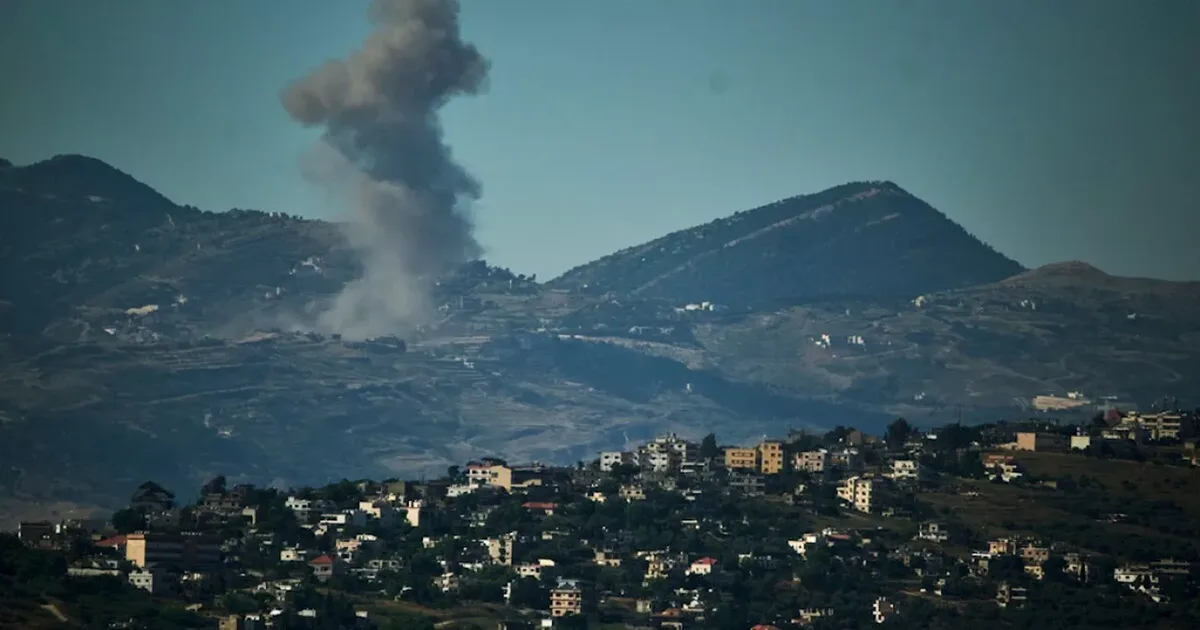
Iran has once again moved to close the Strait of Hormuz, the narrow waterway through which a significant share of the world's seaborne oil supply passes, while simultaneously stalling diplomatic negotiations with the United States that had been conducted through Swiss intermediaries. The dual actions mark a notable hardening of Tehran's posture and inject fresh uncertainty into already volatile global energy markets.
The Strait of Hormuz sits at the mouth of the Persian Gulf and serves as the primary export corridor for crude oil produced by Saudi Arabia, the UAE, Kuwait, Iraq, and Iran itself. Any sustained disruption to traffic through the strait carries outsized consequences for global oil prices and energy security, particularly for Asian economies that depend heavily on Gulf supplies. Iran has periodically threatened or symbolically moved to close the waterway during periods of heightened confrontation with the West, but each episode renews anxiety among traders, insurers, and policymakers alike.
Read more GOP Rep. Turner Raises Concerns Over Iran MOU's Scope →
The decision to halt the Switzerland channel—historically one of the few remaining diplomatic backchannels between Washington and Tehran given the absence of direct relations—suggests that Iran views the current moment as one requiring leverage rather than negotiation. Whether this represents a tactical pause designed to extract concessions or a more fundamental retreat from dialogue remains an open and consequential question for the Biden or incoming administration's Iran strategy.
Analysts watching the situation note that Iran tends to calibrate these escalatory moves carefully, using them as bargaining chips rather than committing to actions that would invite overwhelming military or economic retaliation. Still, the combination of a physical chokepoint threat and a diplomatic freeze creates a compounding uncertainty that markets and governments will need to price in going forward. The risk of miscalculation on either side is meaningfully elevated when communication channels are severed.
Continue reading at headtopics (denverchannel).