How Trump's AI Crackdown Could Benefit China's Tech Ambitions
Restrictions on Anthropic's leading AI models may inadvertently hand Beijing a strategic opening in the global AI race.
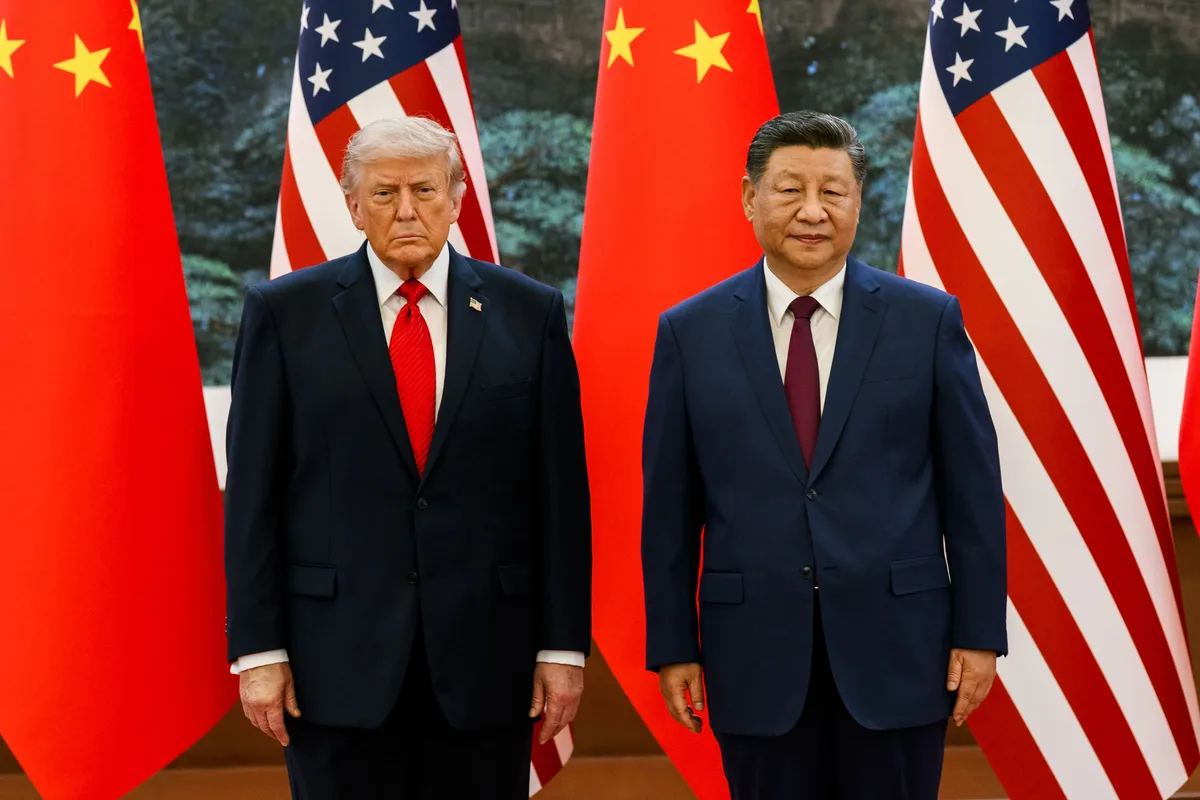
The Trump administration's decision to crack down on Anthropic's frontier artificial intelligence models is drawing scrutiny from analysts who see a paradox at the heart of the policy: measures framed as protecting American technological supremacy may, in practice, accelerate China's ability to close the gap with US AI leaders.
Anthropic, backed by billions in private investment, has emerged as one of the most consequential players in the race to build powerful, safety-focused AI systems. Any regulatory friction that slows its development or limits its commercial reach creates a window — however narrow — for Chinese competitors to gain ground in a domain where the United States has held a decisive edge.
Read more Witkoff and Kushner Head to Qatar, Iran Talks Off Table →
The broader strategic concern here is one of timing. The AI competition between Washington and Beijing is not simply about who builds the most capable model in a given quarter; it is about which nation establishes the standards, the infrastructure, and the talent pipelines that will define the technology for decades. Policies that constrain domestic innovators without a clear corresponding benefit risk undermining the very lead they are meant to preserve.
Critics of the administration's approach argue that heavy-handed oversight of American AI firms is a fundamentally different challenge than regulating legacy industries. Unlike semiconductors or pharmaceuticals, where export controls have demonstrably slowed adversaries, software-driven AI development is diffuse, fast-moving, and difficult to fence in through traditional regulatory tools.
The implications extend well beyond Anthropic as a single company. If Washington's posture toward its own AI sector is perceived as restrictive or unpredictable, it may also complicate the United States' ability to attract global AI talent and maintain allied coordination on AI governance. Continue reading at US Top News and Analysis.