Heat Emergency Hits U.S. as Energy Chief Downplays Warming
A dangerous heat event is gripping parts of the U.S. this weekend while Trump's energy secretary dismisses global warming as 'no big deal.'
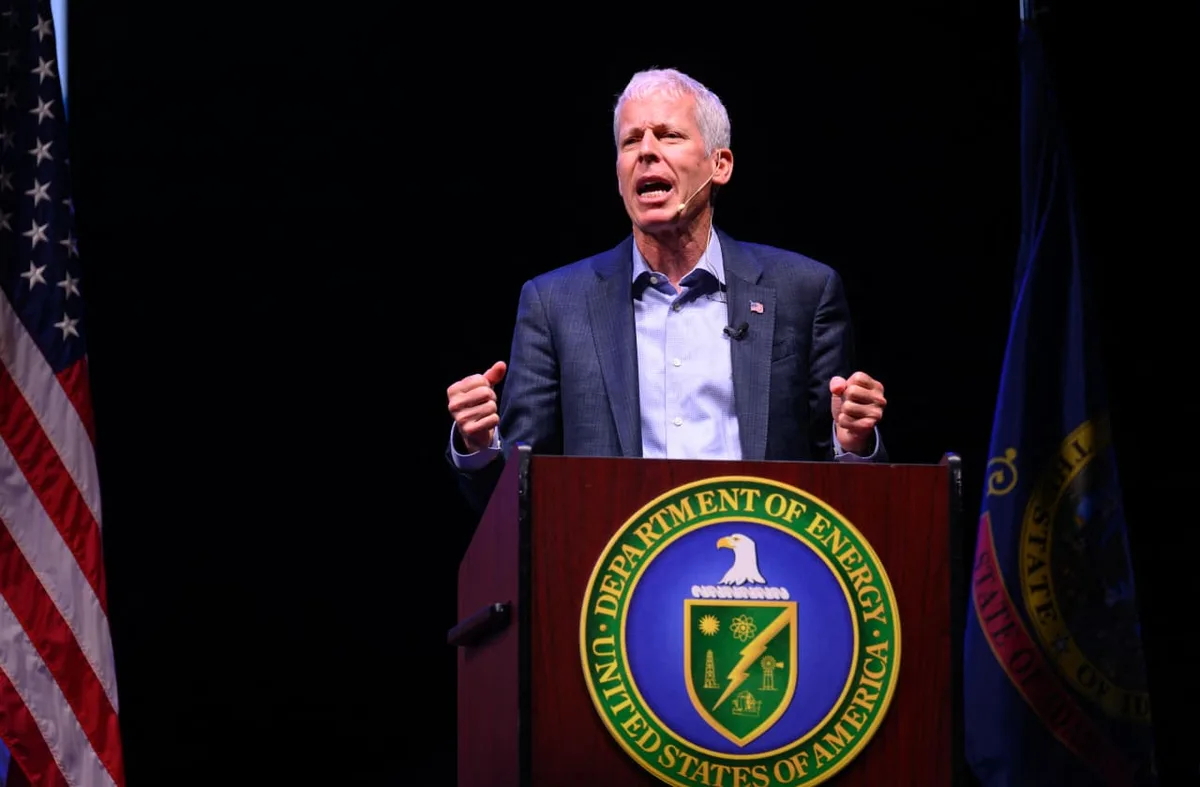
A stark contradiction has emerged at the intersection of federal climate policy and real-world weather conditions: as government scientists urge Americans to stay indoors this weekend due to potentially triple-digit temperatures, the Trump administration's energy secretary has publicly characterized global warming as nothing to be particularly concerned about. The timing has drawn sharp attention from observers tracking the gap between political rhetoric and scientific consensus.
Federal officials are treating the heat event with urgency, advising residents in affected regions to limit outdoor exposure as temperatures threaten to climb into the triple digits. Heat emergencies of this scale carry genuine public health consequences, particularly for vulnerable populations including the elderly, young children, and those without access to air conditioning — groups for whom extreme heat is among the deadliest of natural hazards.
Read more Witkoff and Kushner Head to Qatar, Iran Talks Off Table →
The energy secretary's dismissal of global warming as 'no big deal' represents a broader posture within the current administration that has consistently sought to minimize climate science in favor of expanding domestic fossil fuel production. That stance places senior officials at odds not only with the international scientific community but with federal agencies whose own researchers continue to document and warn about climate-related risks.
The juxtaposition of a cabinet official's casual dismissal and an active, federally declared heat emergency illustrates the real-world stakes of how governments frame climate change. When leaders treat warming as a minor or overstated concern, critics argue it erodes public preparedness and weakens the policy infrastructure needed to adapt to increasingly frequent extreme weather events. Scientists have long established that human-caused warming raises both the frequency and intensity of dangerous heat events.
Whether this weekend's emergency translates into any shift in the administration's messaging remains unlikely given established patterns, but it adds another data point to a growing national conversation about the cost of climate skepticism at the highest levels of government. Continue reading at MarketWatch.com