French Inflation Drops to 1.8% in June, Backing ECB Pause
France's June CPI fell sharply from 2.4% to 1.8%, driven by slowing energy and core prices, reinforcing the ECB's case for holding rates steady.
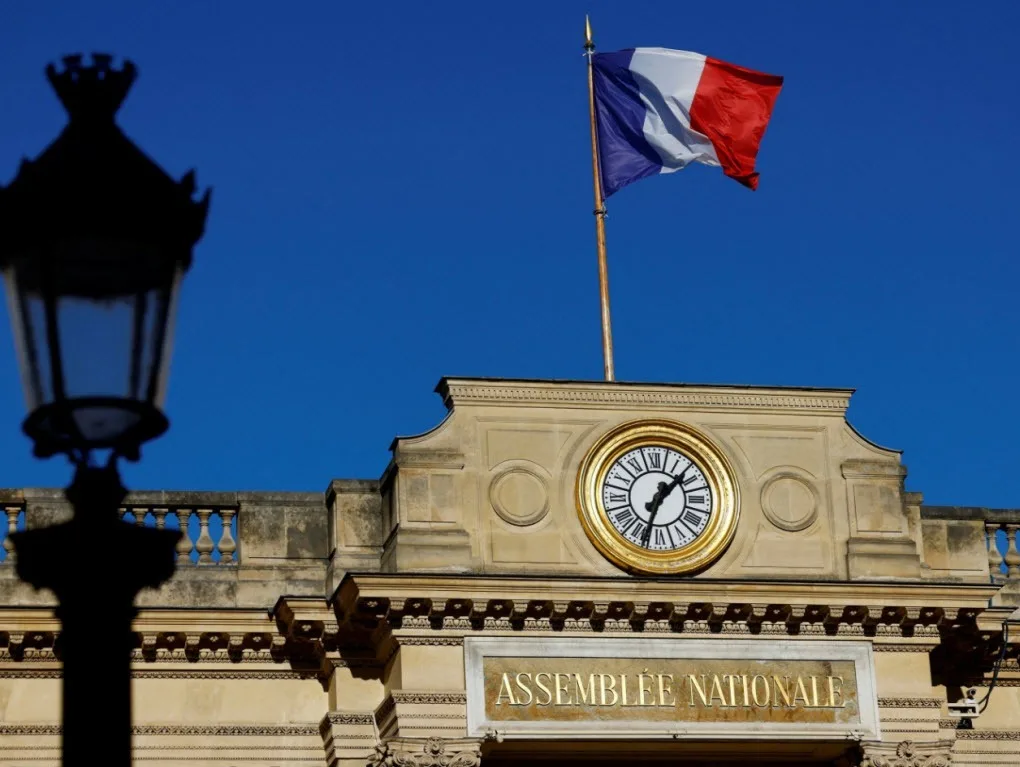
France's inflation picture brightened considerably in June, with final consumer price data confirming a headline annual rate of 1.8%, down from 2.4% in May — a move that aligns with the preliminary estimate and signals a meaningful deceleration in price pressures across the eurozone's second-largest economy. The harmonized measure tracked by the European Central Bank, known as HICP, similarly settled at 2.0%, falling from 2.8% the prior month.
Energy prices were the most visible catalyst behind the drop. Although energy costs still rose year-over-year at 11.1%, that figure represented a marked cooldown from May's 16.6% pace. On a monthly basis, energy prices actually contracted by 4.2% in June after a modest 0.6% gain the month before — a swing that dragged the overall monthly CPI reading down by 0.3%.
Read more Fed Expected to Hold Rates Steady: What It Means for You →
Perhaps more significant for policymakers is the behavior of core inflation, which strips out volatile food and energy components. Core annual inflation slid to 1.0% from an estimated 1.5% in May, reflecting softer pricing in air transport, seasonal clothing markdowns, insurance, and bundled telecom packages. Food inflation also eased to 0.9% from 1.1%, while services inflation edged down to 1.9% from 2.1% — a broad-based softening that suggests underlying demand is no longer generating persistent price pressure.
For the ECB, which has been navigating a careful path between lingering inflation risks and a fragile growth environment, this data removes urgency for any near-term policy move. With the central bank already signaling a summer pause, France's disinflation trajectory provides exactly the kind of macro backdrop that allows policymakers to hold without appearing either too hawkish or too accommodative. The data does not dramatically alter the rate outlook, but it does reduce the risk of an unwelcome inflationary surprise from one of Europe's key member states.
Continue reading at Forexlive.