Ford CEO Pushes for Trade Equity as USMCA Talks Resume
Ford assembled more than 2 million U.S. vehicles last year and wants trade rules that reflect that domestic commitment as USMCA renegotiations begin.
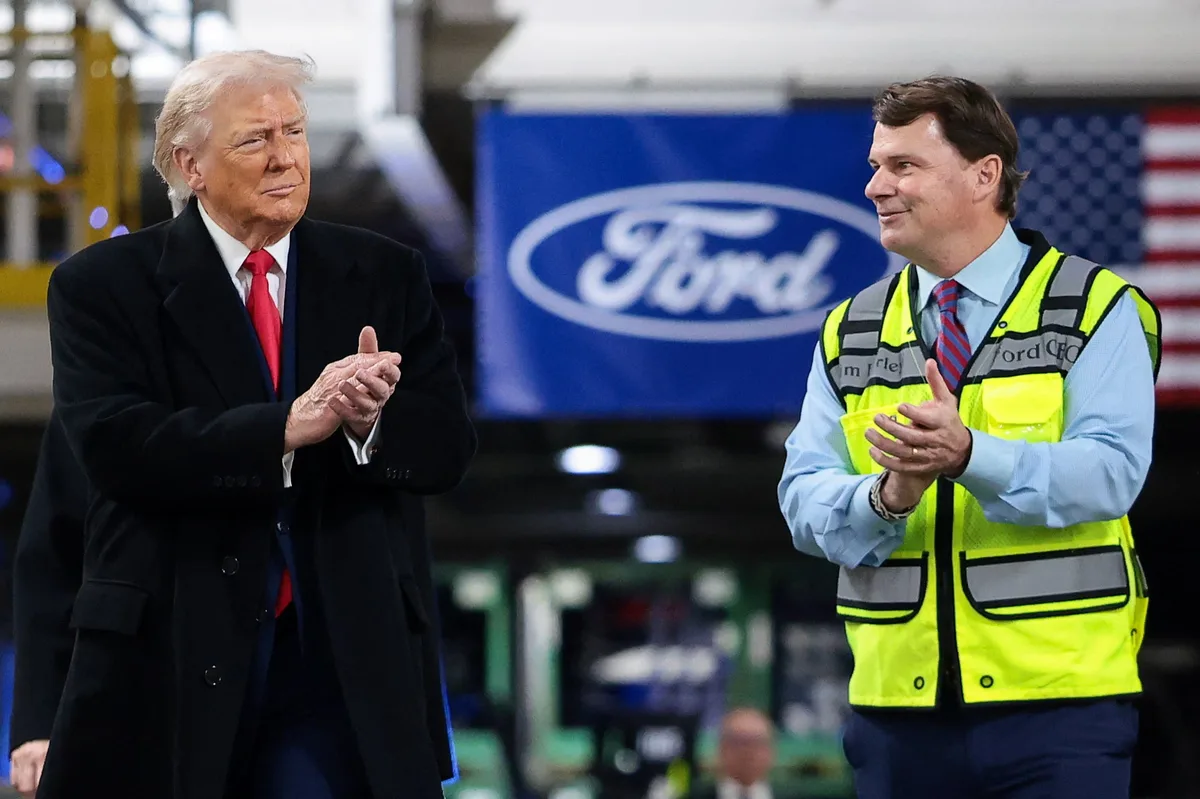
As the United States-Mexico-Canada Agreement enters a new round of negotiations, Ford's chief executive is making a pointed case: automakers that build the most on American soil deserve a competitive framework that acknowledges that investment. Ford says it assembled more than 2 million vehicles in the United States last year — a figure the company claims surpasses every other manufacturer — including 311,000 units destined for export markets.
The implicit targets of Ford's argument are rivals like Toyota and General Motors, both of which rely on significant import volumes to supply the American market. Toyota, a Japanese automaker with a substantial U.S. manufacturing footprint but also a large import pipeline, and GM, which sources vehicles from Mexico and other countries, represent the competitive asymmetry Ford's CEO appears to be highlighting. The core demand is a level playing field — trade rules calibrated to reward domestic production rather than enable lower-cost import strategies.
Read more UK PM Burnham Signals Willingness to Challenge Trump Directly →
The timing is deliberate. USMCA contains a built-in review mechanism, and the current renegotiation window gives industry stakeholders a rare opportunity to reshape the rules governing automotive content, tariffs, and origin requirements. For Ford, which has leaned heavily into its American manufacturing narrative, the talks represent both a policy opportunity and a branding moment — a chance to align corporate identity with economic nationalism in a political climate that rewards exactly that posture.
What this signals more broadly is that the auto industry's trade politics are becoming increasingly fragmented. Companies with deep U.S. assembly operations are no longer content to let import-heavy competitors benefit from the same tariff structures. Whether that argument ultimately moves trade negotiators remains to be seen, but Ford's public positioning ensures the debate will be part of the USMCA conversation. Continue reading at US Top News and Analysis.