Ferguson Enterprises to Join S&P 500, Shares Surge 8%
The industrial supplier will be added to the S&P 500, displacing more prominent names and sending its shares sharply higher.
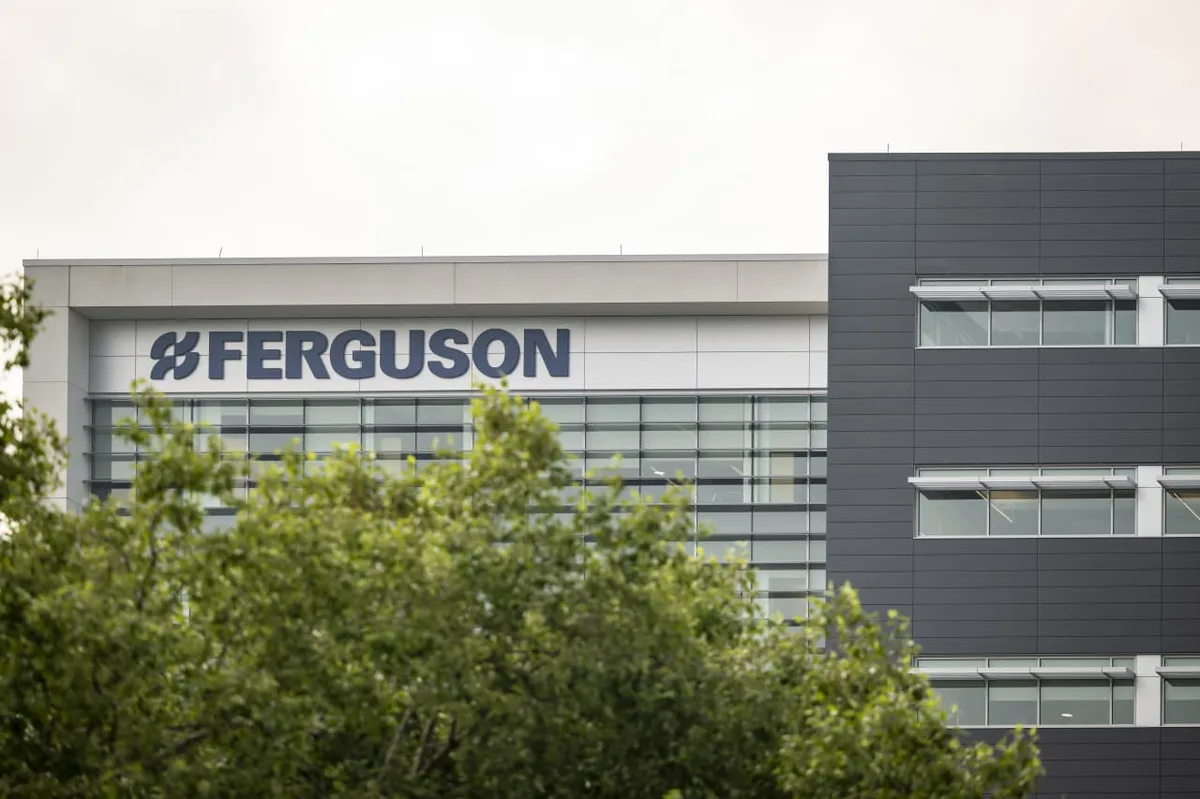
Ferguson Enterprises, a Newport News, Virginia-based industrial company, is set to join the S&P 500 index — and Wall Street wasted no time rewarding the news. Shares surged more than 8% following the announcement, a classic index-inclusion bounce driven by the near-certain buying pressure that follows when passive funds must acquire a newly added stock to mirror the benchmark.
The addition is notable precisely because Ferguson is not a household name. Index committees typically field a wide pool of eligible candidates, and when a lesser-known company earns a seat over more prominent competitors, it signals that the selectors saw compelling size, liquidity, and financial viability criteria being met. For Ferguson, the inclusion effectively certifies its standing among the largest and most investable U.S. corporations.
Read more AI Infrastructure Costs Are Straining Big Tech Cash Flows →
The mechanics behind an S&P 500 inclusion help explain the immediate price spike. Index funds collectively manage trillions of dollars benchmarked to the S&P 500, meaning fund managers are essentially obligated to buy shares of any new entrant — creating a surge in demand that is largely independent of the company's near-term earnings outlook. This structural buying can produce gains that persist well beyond the announcement date, though research suggests the premium often moderates once rebalancing is complete.
For investors, Ferguson's elevation into the index broadens its shareholder base dramatically overnight, improving liquidity and analyst coverage over time. Companies that join the S&P 500 tend to attract institutional ownership that was previously constrained by mandates tied to index membership. Whether the stock sustains its post-inclusion premium will ultimately depend on Ferguson's underlying business performance — but for now, the market is treating the news as unambiguously positive.
Continue reading at MarketWatch.com