Apple Slides 10% While Amazon Surges 15% in AI Market Split
Diverging earnings reveal a fault line in AI investing: hardware supply constraints vs. cloud compute demand.

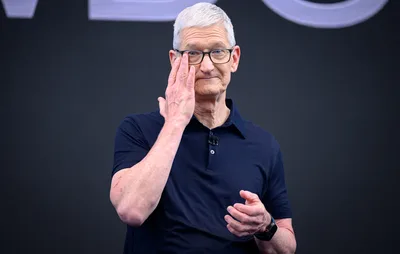
The technology sector delivered a sharply divided verdict on AI winners this week, with Apple tumbling as much as 10% after a grim forecast exposed the company's struggle to secure critical components — a direct consequence of soaring demand from AI-driven data centers straining global supply chains. Had the drop held, it would have wiped nearly $500 billion from Apple's market capitalization, stripping the iPhone maker of its title as the world's most valuable company and handing that distinction back to Nvidia just days after Apple had reclaimed it.
On the opposite end of the spectrum, Amazon surged as much as 15% after reporting robust cloud sales growth that bolstered investor confidence in its deep, sustained AI infrastructure bets. The contrast encapsulates what portfolio manager Dean Smith of FolioBeyond described as two fundamentally different forces shaping the AI investment landscape: hardware component constraints on one side, and insatiable cloud compute capacity demand on the other.
Read more AI Infrastructure Costs Are Straining Big Tech Cash Flows →
Smith's framing is analytically useful. Apple's predicament is essentially a supply-chain story — the physical bottleneck of sourcing chips and components in an environment where AI data center buildouts are monopolizing manufacturing capacity. Amazon's strength, by contrast, is a demand story, with enterprises accelerating migration to the cloud and paying for AI-powered services at scale. Investors are being forced to distinguish between companies exposed to each dynamic rather than treating "AI exposure" as a monolithic positive.
Looking ahead, market attention is poised to shift toward SpaceX, which is set to deliver its first quarterly earnings since going public. While launch activity is publicly observable, Smith indicated the more revealing disclosure will be the company's articulation of its strategy on the artificial intelligence side of the business — a dimension of SpaceX's ambitions that remains far less transparent to outside investors.
Continue reading at Yahoo