Federal Judge Blocks DOJ Subpoena for Georgia Election Worker Names
A judge halted a DOJ subpoena seeking identities of Fulton County election workers, citing concerns about worker safety and political pressure.
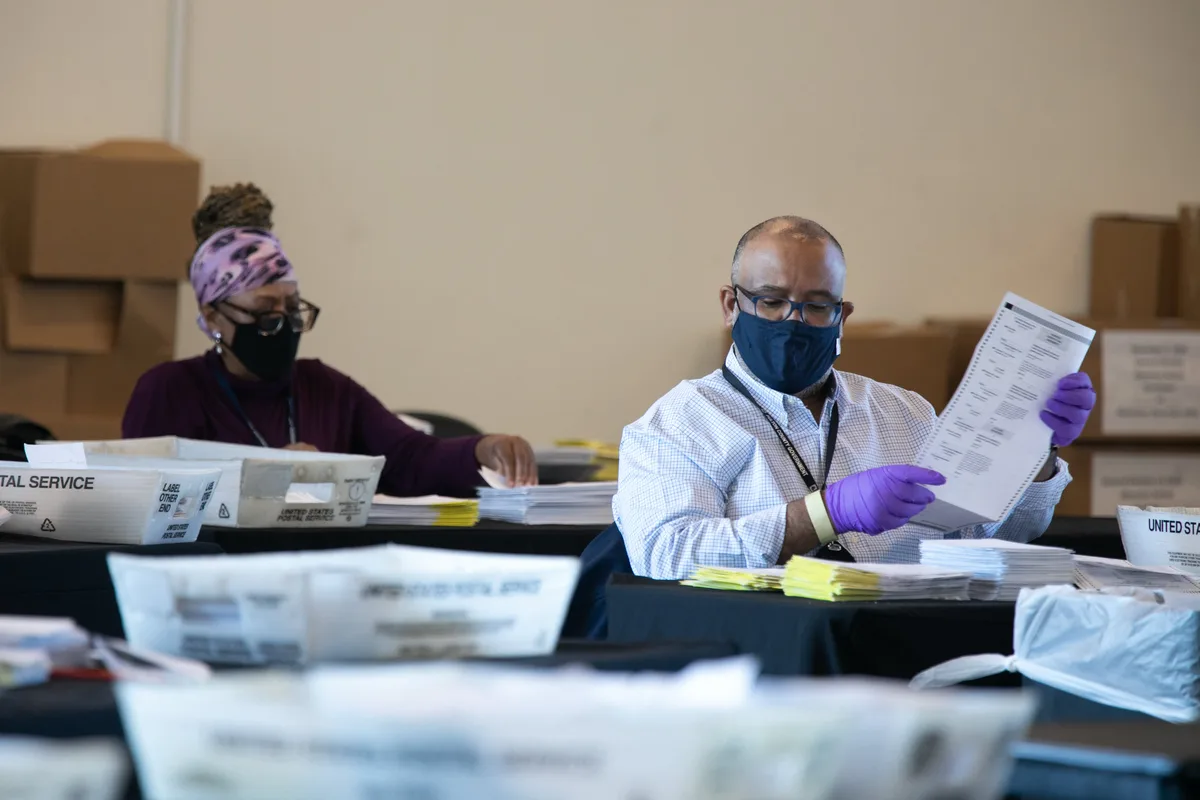
A federal judge has moved to block a Department of Justice subpoena that sought the names of election workers who handled ballots in Fulton County, Georgia, during the 2020 presidential election — a jurisdiction that has sat at the center of former President Donald Trump's unsubstantiated claims about widespread electoral fraud.
Fulton County, which encompasses Atlanta and carries significant Democratic-leaning voter weight, became a focal point for Trump and his allies in the weeks and months following the 2020 election. The former president repeatedly alleged, without credible evidence, that irregularities in the county's ballot count had cost him the state — and ultimately the presidency. Those allegations were reviewed and rejected by Georgia state officials, courts, and federal investigators.
Read more UK PM Burnham Signals Willingness to Challenge Trump Directly →
The judicial intervention raises serious questions about the boundaries of executive authority in scrutinizing past elections. Critics of the subpoena argued that compelling the disclosure of individual election workers' identities could expose private citizens to targeted harassment or worse, given the documented threats that many county-level election administrators have faced in the years since 2020. The judge's decision reflects a broader legal tension between investigative prerogatives and the protection of civil servants performing legitimate governmental functions.
The case underscores a recurring pattern in which lower-level election workers — largely volunteers or modestly compensated public employees — have found themselves caught in the crossfire of national political disputes they did not create and cannot resolve. Whether the DOJ will appeal the ruling or pursue alternative legal avenues to obtain the information remains an open question, and the outcome could set a meaningful precedent for how far federal investigative tools can reach into state-administered election processes.
Continue reading at US Top News and Analysis.