Fed Nominee Warsh Vows Monetary 'Regime Change' to Beat Inflation
Kevin Warsh pledged to overhaul Fed policy and eliminate inflation he called a 'tax' on Americans, signaling a sharp shift in central bank direction.
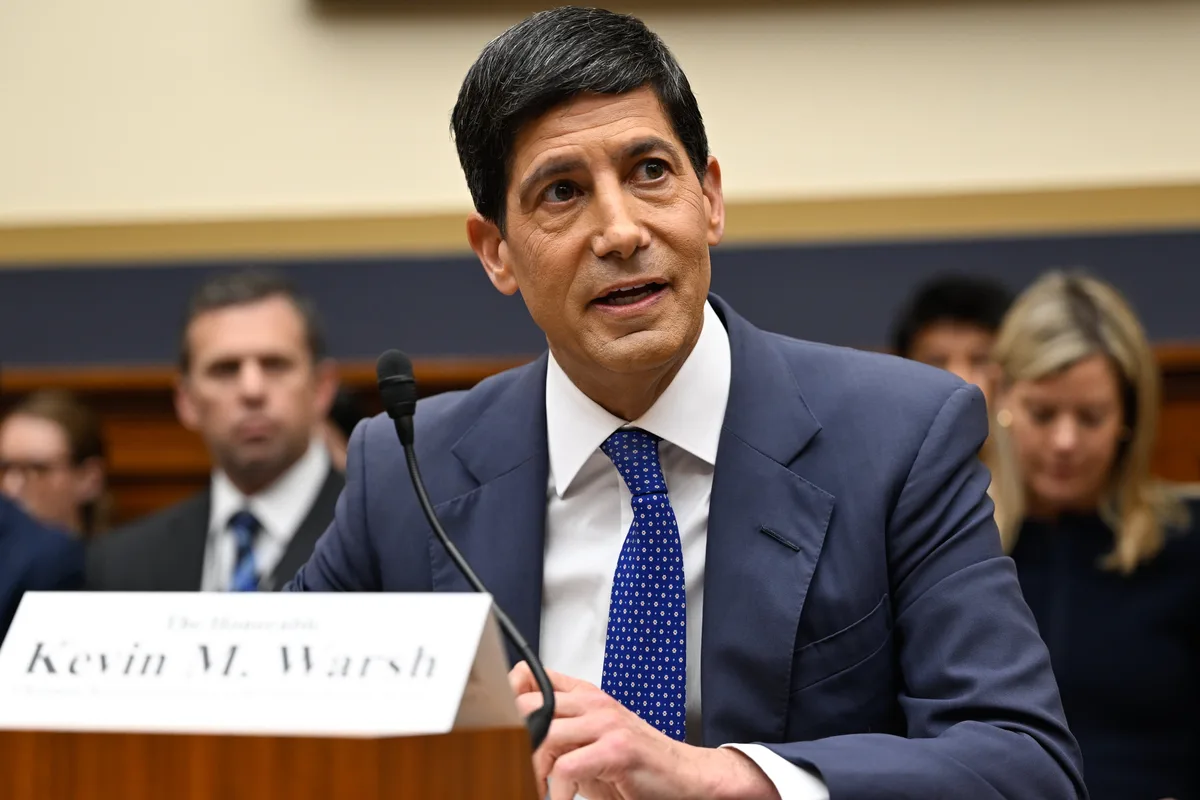
Kevin Warsh, nominated to lead the Federal Reserve, made a pointed commitment Tuesday to fundamentally reorient the central bank's monetary policy framework — language that carries significant weight given how rarely Fed leaders invoke the phrase "regime change" in institutional settings. His choice of words signals not merely a preference for tighter policy, but a broader philosophical break from how the Fed has managed its mandate over the past several years.
At the core of Warsh's pledge is a framing of inflation as a "tax" on ordinary Americans — a rhetorically charged but economically grounded argument. When inflation runs persistently above target, it erodes purchasing power disproportionately for lower- and middle-income households who hold more of their wealth in cash and have fewer financial instruments to hedge against rising prices. By invoking the language of taxation, Warsh is casting inflation not as an unfortunate side effect of policy but as a policy failure with direct costs to the public.
Read more UK PM Burnham Signals Willingness to Challenge Trump Directly →
The promise to "get monetary policy right" comes after roughly five years in which the Fed has faced sustained criticism over its handling of the post-pandemic inflation surge — first for being too slow to recognize inflation as structural rather than transitory, and then for the aggressive rate-hiking cycle that followed. Warsh's framing implicitly critiques that institutional record without naming it directly, a calibrated move that signals accountability while avoiding a direct confrontation with current Fed leadership.
What a genuine regime change at the Fed would look like in practice remains an open question. It could mean tighter rules-based policy frameworks, a recalibration of the Fed's dual mandate emphasis, or structural changes to how the central bank communicates with markets. Each of those paths carries its own set of economic risks and political pressures, particularly as the U.S. economy navigates uncertain growth conditions. Markets and economists will be watching closely for specifics as Warsh moves through the confirmation process.
Continue reading at US Top News and Analysis.