DOJ Subpoenas NY Times Reporters in Air Force One Leak Probe
The Justice Department is pursuing New York Times journalists over leaked security concerns about Trump's Qatar-donated Air Force One replacement.
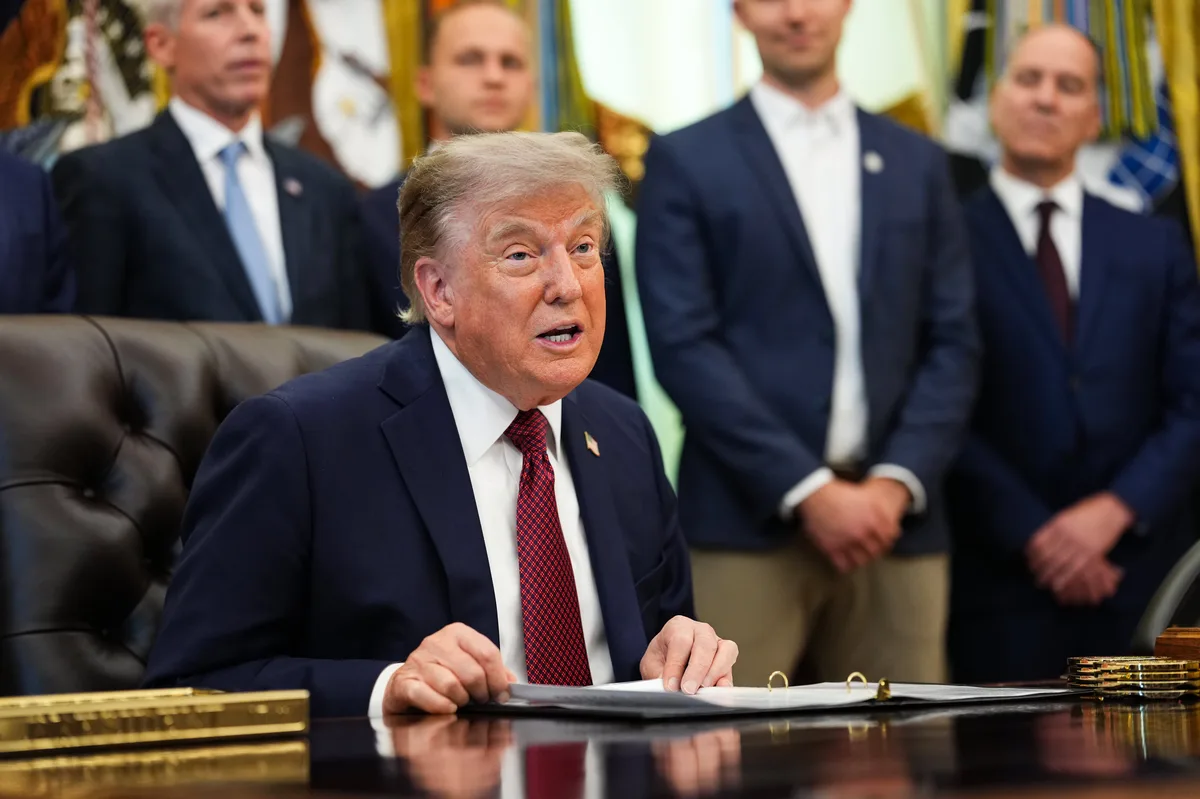
The Trump administration has escalated its pursuit of government leakers by issuing Department of Justice subpoenas targeting reporters at The New York Times, with President Trump personally defending the move. The investigation centers on the disclosure of security concerns surrounding a new Air Force One aircraft donated to the United States by Qatar — a detail that found its way into public reporting and apparently alarmed administration officials enough to trigger a formal legal inquiry.
The breadth of the effort appears wider than initially understood. Google was also reportedly targeted as part of the same investigative push, suggesting federal prosecutors may be casting a wide net in their effort to identify the original source of the leak. Such tactics — compelling tech platforms to hand over data alongside subpoenaing journalists — signal a particularly aggressive posture toward the press and whistle-blowers.
Read more UK PM Burnham Signals Willingness to Challenge Trump Directly →
The episode puts into sharp relief the tension between executive branch secrecy and First Amendment protections for newsgathering. Leak investigations that reach into newsrooms have historically drawn sharp criticism from press freedom advocates, who argue they create a chilling effect on sources who might otherwise alert the public to matters of legitimate national concern. A foreign-government-donated aircraft carries obvious diplomatic and security sensitivities, making the underlying story itself a matter of clear public interest.
Trump's willingness to publicly defend the subpoenas is itself notable. Previous administrations that pursued reporters legally often did so quietly and sometimes reversed course under political pressure. That the president is openly endorsing this action suggests the White House views the leak as a serious breach rather than a political liability — or judges that its base will welcome the confrontation with a major national newspaper. The dual targeting of a legacy media outlet and a dominant technology platform underscores how modern leak investigations now straddle both old and new media ecosystems.
Continue reading at US Top News and Analysis.