Cyclospora Outbreak Challenges RFK Jr.'s Food Safety Agenda
A cyclospora outbreak is putting HHS Secretary RFK Jr.'s food system overhaul promises to an early and visible test.
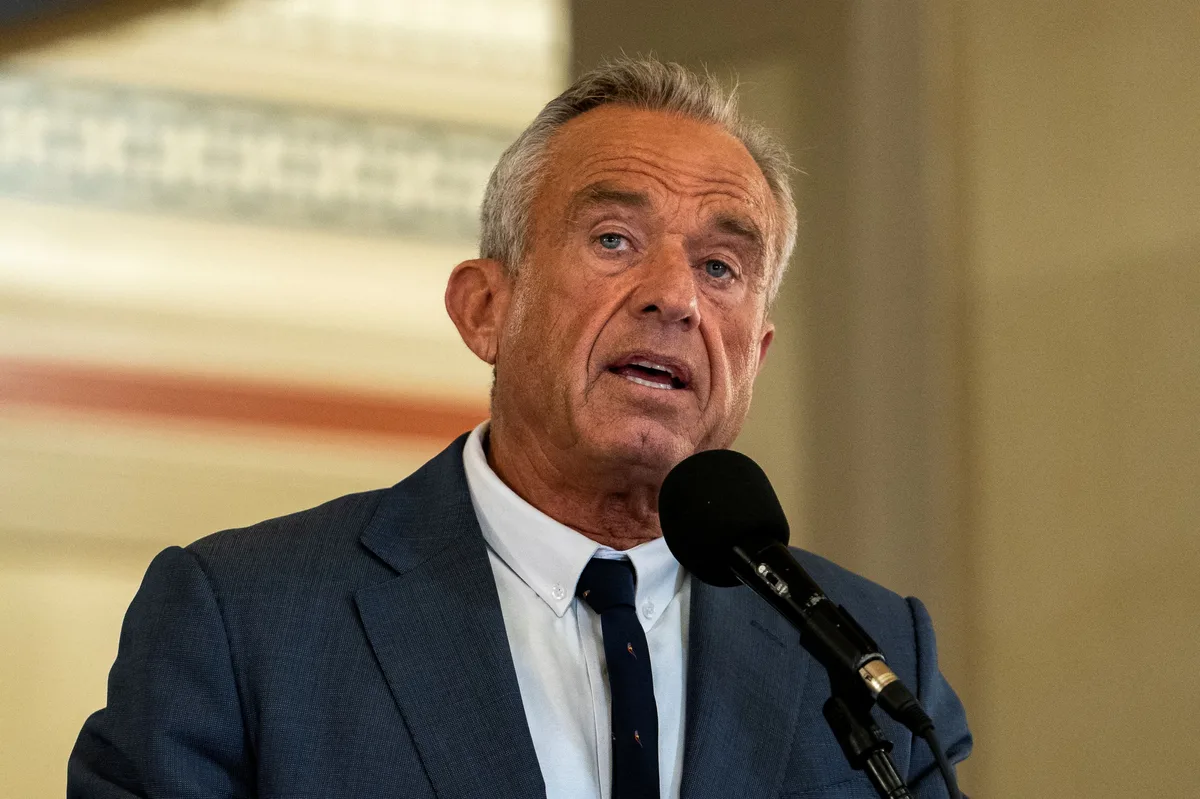
A parasitic illness outbreak caused by cyclospora is emerging as an early stress test for Health and Human Services Secretary Robert F. Kennedy Jr., who has made sweeping promises to reform the nation's food safety infrastructure and rebuild public trust in federal health agencies. The timing is politically and institutionally significant: Kennedy has positioned himself as a disruptor within the very bureaucracy now responsible for managing the response.
Cyclospora cayetanensis is a microscopic parasite typically linked to contaminated fresh produce, and outbreaks tend to demand rapid, coordinated action from agencies including the CDC and FDA — the same institutions Kennedy has pledged to overhaul. How those agencies perform under his leadership during an active public health event will inevitably be measured against the lofty benchmarks he set during his confirmation process.
Read more UK PM Burnham Signals Willingness to Challenge Trump Directly →
The episode underscores a broader tension that often confronts reform-minded officials once they take office: the machinery of government must keep functioning even as it is being redesigned. Kennedy's rhetoric about restoring trust in the CDC carries real weight with a skeptical public, but outbreaks like this one require precisely the kind of institutional credibility and operational continuity that aggressive reorganization can disrupt.
For observers across the political spectrum, this outbreak offers a concrete, near-term window into whether the Kennedy era at HHS will produce the competent reinvention its architect promised, or whether ideological ambitions will collide with the unglamorous realities of public health management. The coming weeks of the agency's response are likely to be scrutinized as a leading indicator of what lies ahead.
Continue reading at US Top News and Analysis.